
The evolution of a butterfly garden, two years in.

Two years ago I moved to the Wet Tropics in Far North Queensland Australia. I got straight into the garden and made sure to plant lots of butterfly hosts. Now, two years into the journey, I see butterflies every day. So, what do I think has contributed to the success of this venture?
STEP ONE
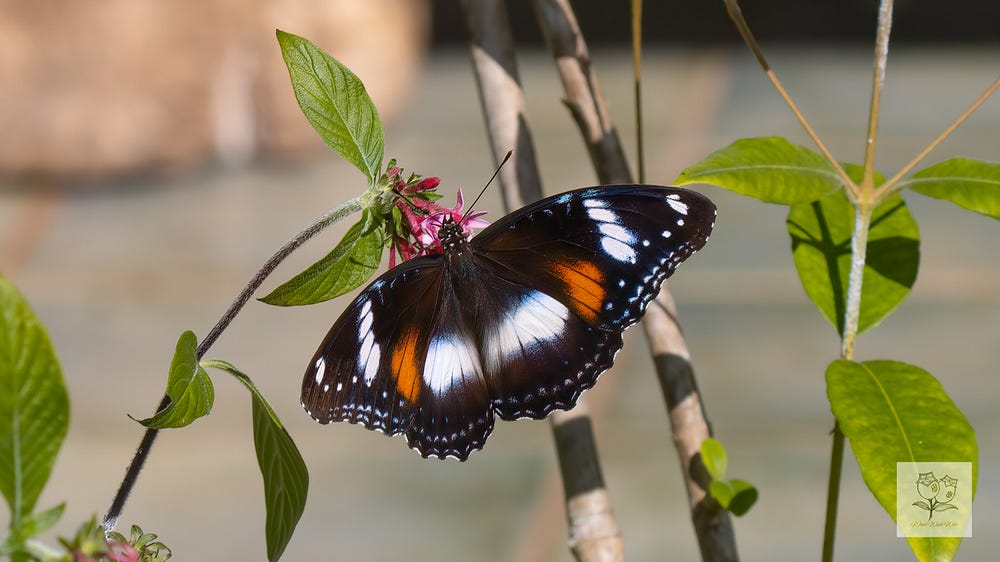
Plant host plants. This seems like a no-brainer and really it is. If you want butterflies, you must give them somewhere to breed that will feed their young. This is especially relevant in an age where many host plants are difficult to access due to environmental degradation and development of previously “wild” land.
A little research yielded a number of options and happily revealed that some were already growing in the remnant rainforest on our property.
STEP TWO
Create a pesticide free zone. We can’t do anything about our neighbours spraying weeds and pest insects but we can ensure that we find other ways to control pests in our own gardens. All those pesticides impact the system and ultimately create a less attractive space for butterflies.
I tend to leave the pest insects to nature. As time goes on, the predators tend to move into pesticide free gardens and they will create a balance with no effort on my part. Of course, it does mean that I have to put up with a boom in pest insects initially but I find that it doesn’t take too long for the predators and birds to discover that boom and balance it out while filling their tummies.
Weeds are pulled or cut and this is as effective as spraying anyway. I watch my neighbours regularly spray their gardens as I regularly attempt to tackle my own weeds. Yes, it’s more work, but the rewards are equally greater.

STEP THREE
Feed them with flowers! Work out which flowers the butterflies favour and plant them!
I was at a meeting for the local Bee Association at a member’s house when I noticed that her pink Pentas were full of butterflies. The other colours weren’t as busy. Although I usually favour native plants I observed that these Pentas were very similar to the flowers of a native species. That species has a limited flowering season but the Pentas flower all year in our tropical climate. I planted them and now I see butterflies visit them all the time.
I also grow perennial Basil to feed the pollinators all year and I have plenty of native flowers. I choose them based on observations when I am at home and when I am in other gardens. If I see a species that is being visited by lots of butterflies, I am off to buy or propagate some for my garden.
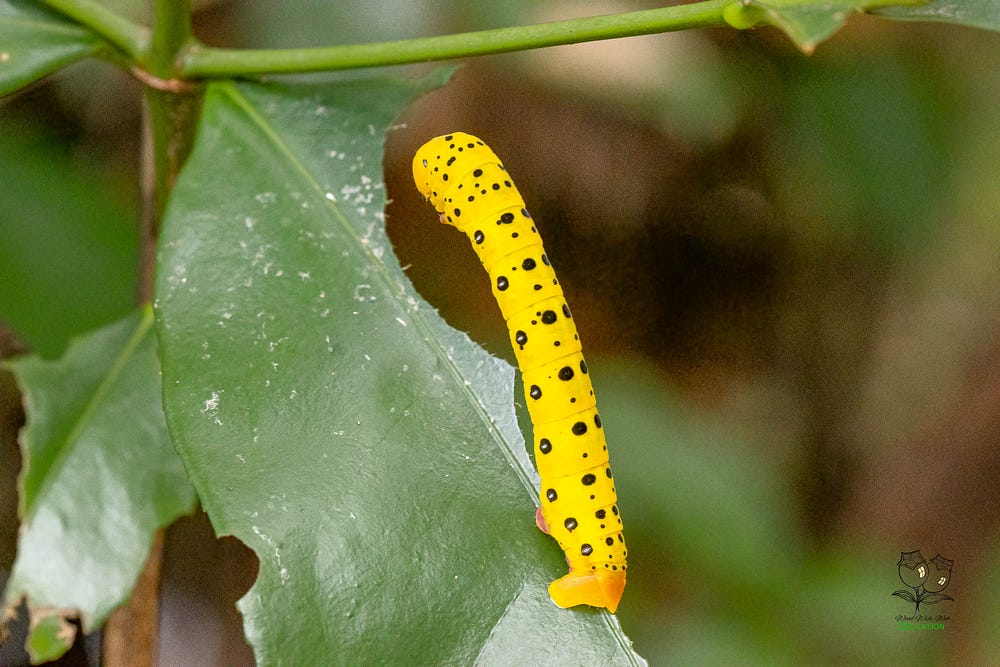
That’s it! Three easy steps to a garden full of butterflies (and caterpillars!).
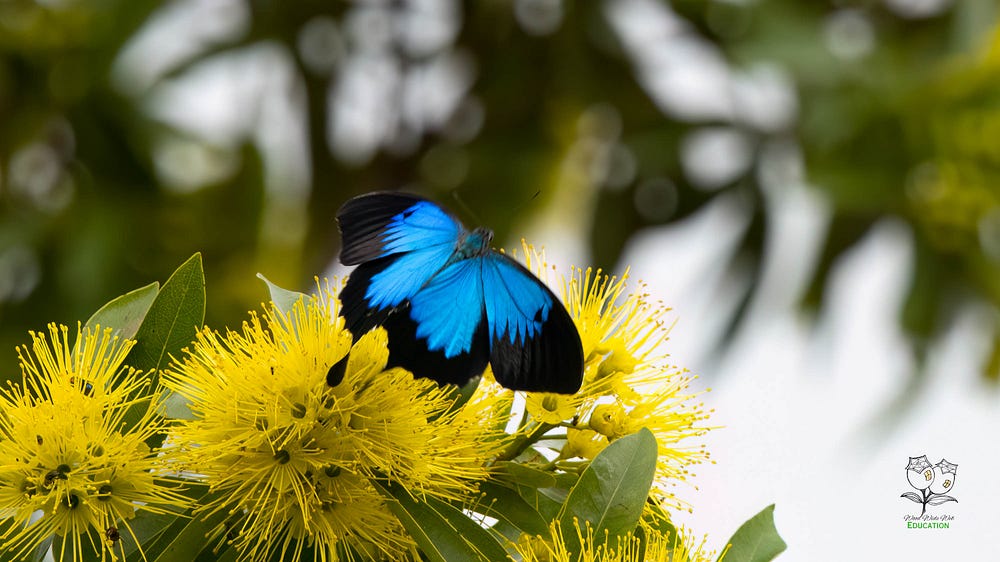
Recently we watched a Ulysses Butterfly go through caterpillar stages to chrysalis to butterfly. It was absolutely fascinating!
Do you have a butterfly garden? I’d love to hear about it in the comments!
Now, I am off back to the garden to see what I can see!

 Jane Grows Garden Rooms