
If I started waxing lyrical about how much more there is to bees than honey, you might think I’m going to go on about pollination and food crops and so on. Well not today. Today I want to talk about a bee product that is just as amazing and potentially beneficial but no one seems to be talking about it except beekeepers and enthusiasts. This product is potentially a cancer treatment, a remedy for antibiotic resistant Golden Staph and has many other medical applications besides.
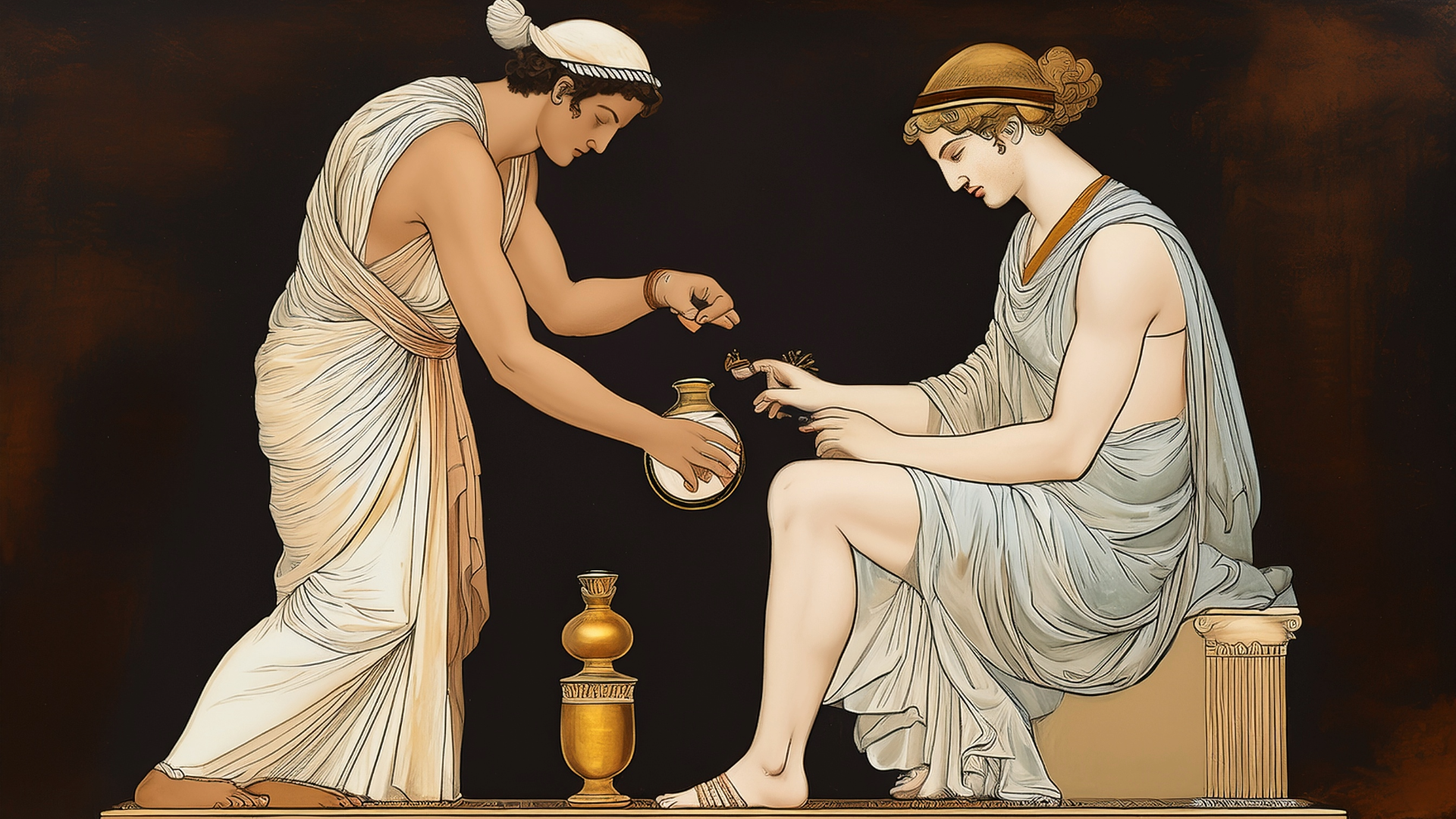
On top of that, its versatility is evident in history! First Nations people in Australia used it to create mouthpieces for digeridoos, the Ancient Greeks used it in perfumes and wound dressings and the Ancient Egyptians included it as a component when preserving cadavers.


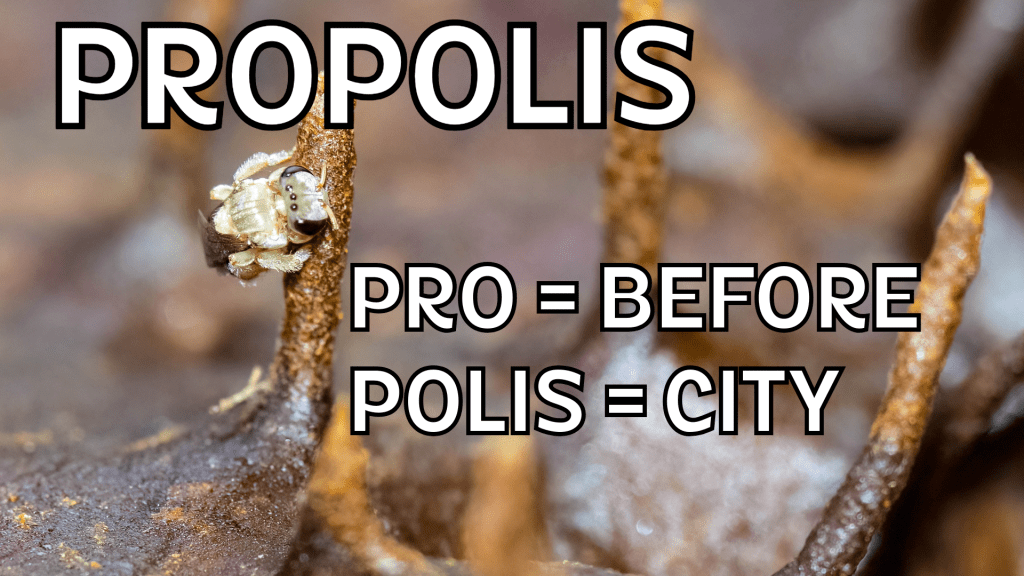
The bees aren’t making it for us though. They use it to protect their hives inside and out. It’s so valuable in fact that if you leave some outside the hive they will harvest it and take it back into the hive. That’s exactly what these bees are doing! They are recovering propolis, a mix of plant resins, oil, wax, pollen and many other chemical compounds. The term propolis comes from the Greek “pro” meaning before and “polis” meaning the city which translates to “defender of the city. Propolis is used to seal the hive to prevent predator access and it’s believed that it also prevents diseases, moulds and funguses from compromising the integrity of the brood and stores.
Most social bees create a form of propolis, but recent studies suggest that stingless bees produce the best propolis in terms of potential value to human society. The constituents vary from species to species and hive to hive and are also dependent on available resources in their foraging environment. The bees collect plant resin, mostly from trees, ingest it and then a special gland adds oil and wax produced by their bodies. It’s also mixed with pollen and various other chemical components.
One study analysed various Tetragonula sapiens (that’s the species you’re watching) hives in Indonesia and came up with the following values. Resin, mostly from trees, makes up 50-70% of propolis, 30-50% is comprised of oil and wax, pollen makes up 5-10% with other chemical compounds in minute quantities.
Researchers are currently exploring many possibilities for this sticky substance that can be harvested from hives, obviously in moderation to prevent stress. The results are astounding! The results of studies show that propolis could be used in cancer treatments as it not only attacks the cancer cells but also inhibits their growth. Both stingless bee honey and propolis have been shown to be potential treatments for Golden Staph which is a virulent bacteria which the University of New South Wales has identified as a significant threat to the health of children and very difficult to treat. It also has anti-inflammatory and anti-microbial effects.
So what does this mean for the home beekeeper?
Well, we won’t be able to cure cancer at home, because we can’t process it effectively to make the most of the active ingredients. However, it has many simple health applications. It can be applied to wounds or skin cancer in a poultice. If you’re skilled enough and willing to research appropriate doses you could make a propolis tincture that can be used orally to improve immune response and for colds and sore throats. The tincture can also be used to treat minor burns and skin complaints. Another application for the tincture as a diabetes treatment is being explored but hasn’t been verified yet.
References:
https://www.sciencedirect.com/science/article/pii/S1018364720304274
https://www.mdpi.com/2218-273X/10/6/923
https://www.nativebeeings.com/shop/p/australian-native-bee-propolis-extract
https://www.sciencedirect.com/science/article/pii/S175646462100551X


