Simple Tips to improve your Bee Photography
Tip Three- Set up a Sting-less Operation
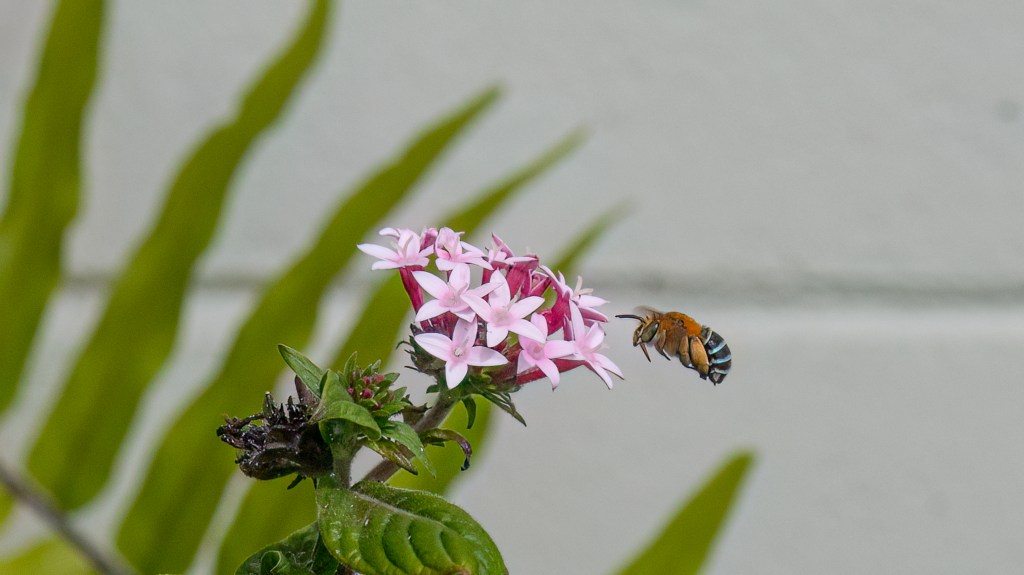
I often get asked how I manage to capture bees in flight. Well, it links back to frequency – I’m out there a lot! Obviously light comes into it but there’s another tactic I employ and that has to do with depth of field.
It’s almost impossible to follow a bee and keep it in focus, particularly some of our tiny and/or fast natives. So, once I was listening to an interview with a bird photographer who was asked how they get birds in flight. Their response? I don’t shoot where the bird is, I shoot where the bird is going to be. I started using the same idea for bees. Where are bees going to be? On a flower or going into a hive.
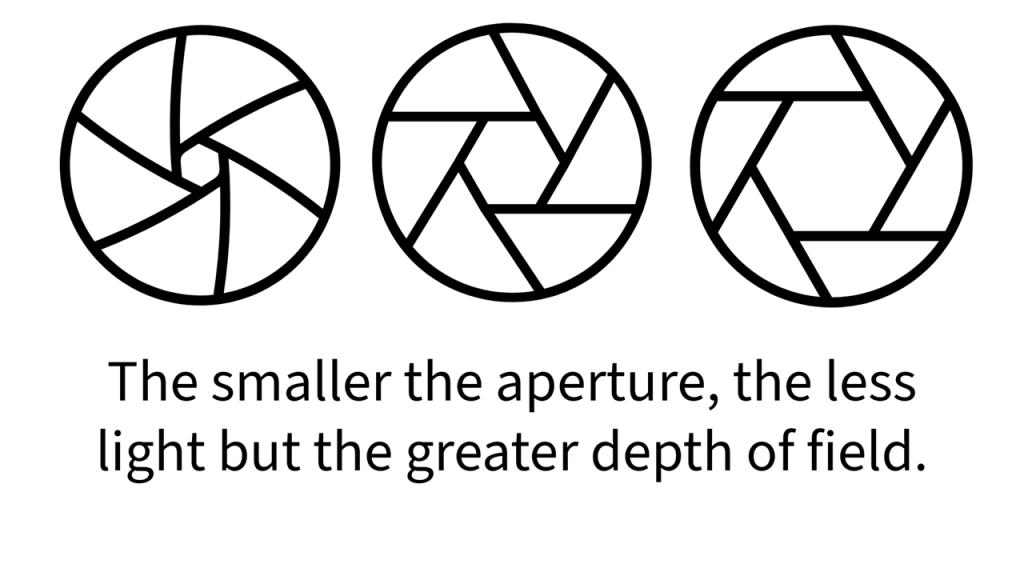
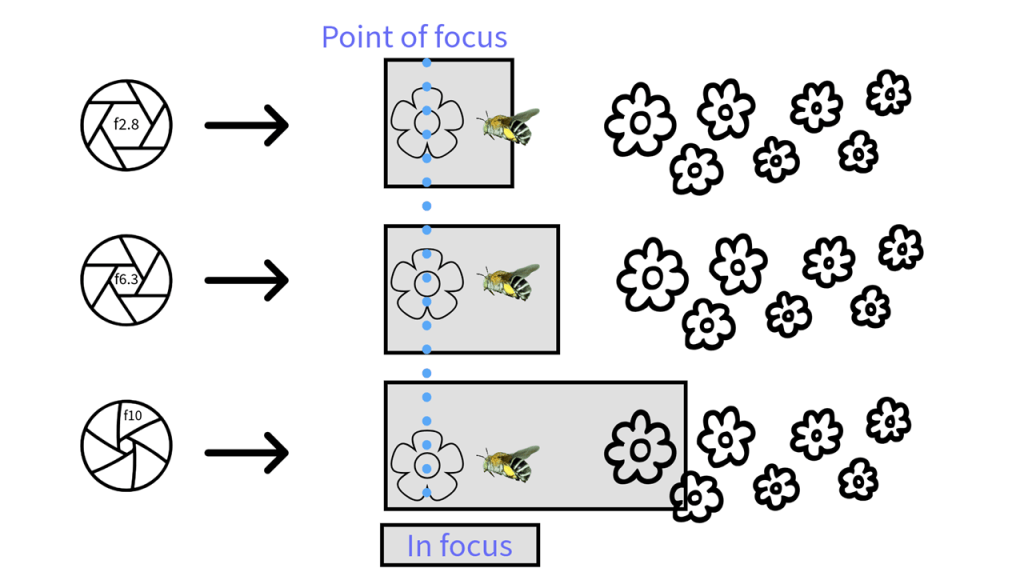
So depth of field relates to aperture. Aperture is the size of the hole that lets light onto the camera sensor. In auto mode, the more light that is available the smaller the hole. The smaller the hole the greater the depth of field which means more of your photo will be in focus. So here are some examples.
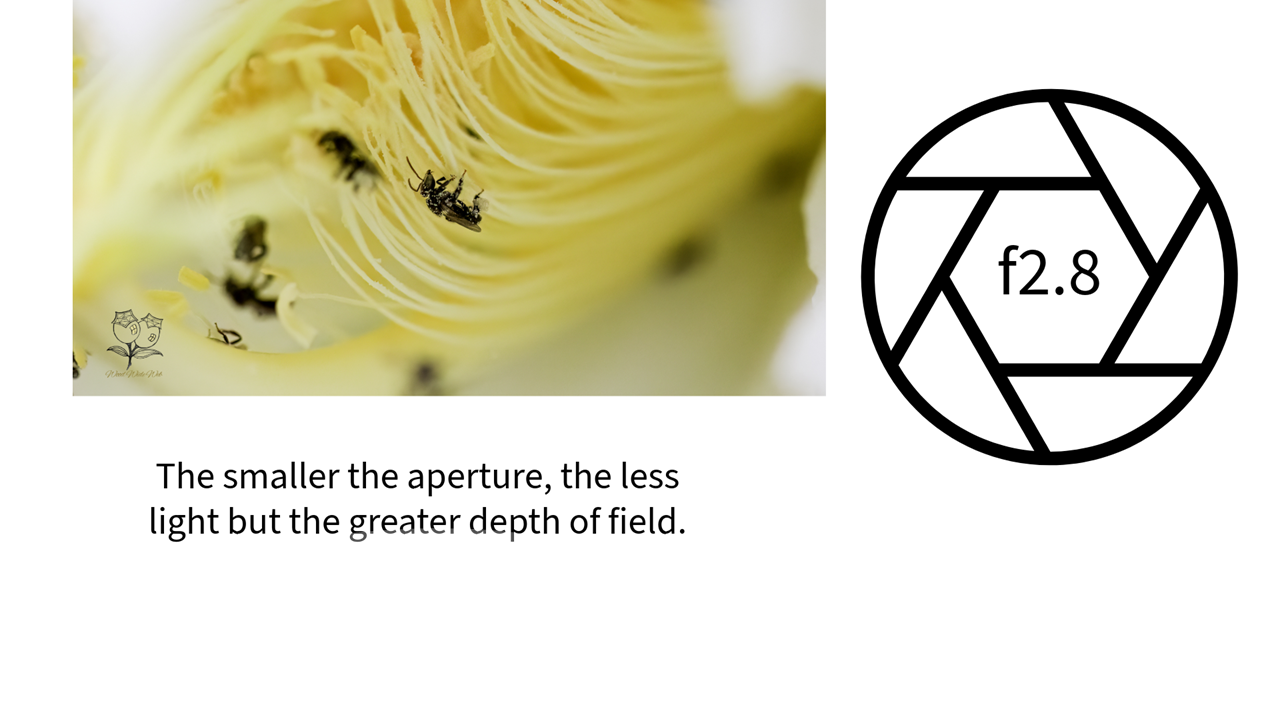
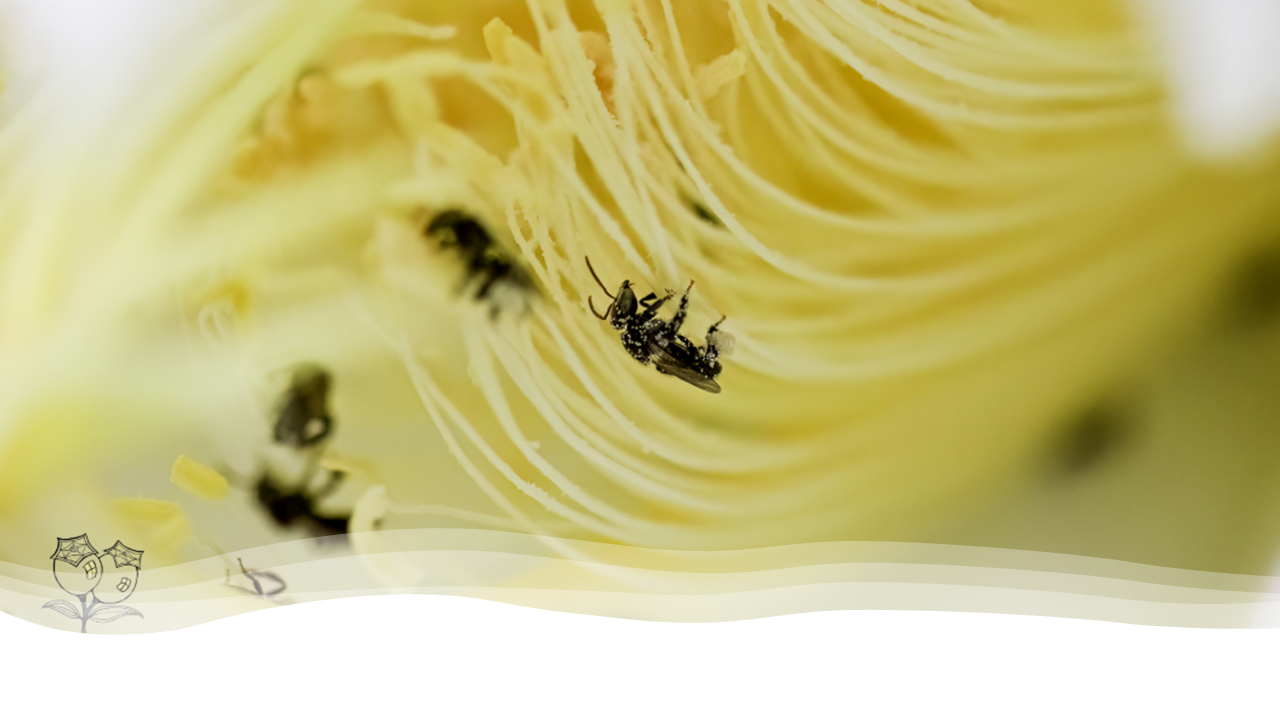
The first (f2.8) photo was taken with a large aperture so you can see that there is one bee and some of the flower in focus but the rest is out of focus or blurry.
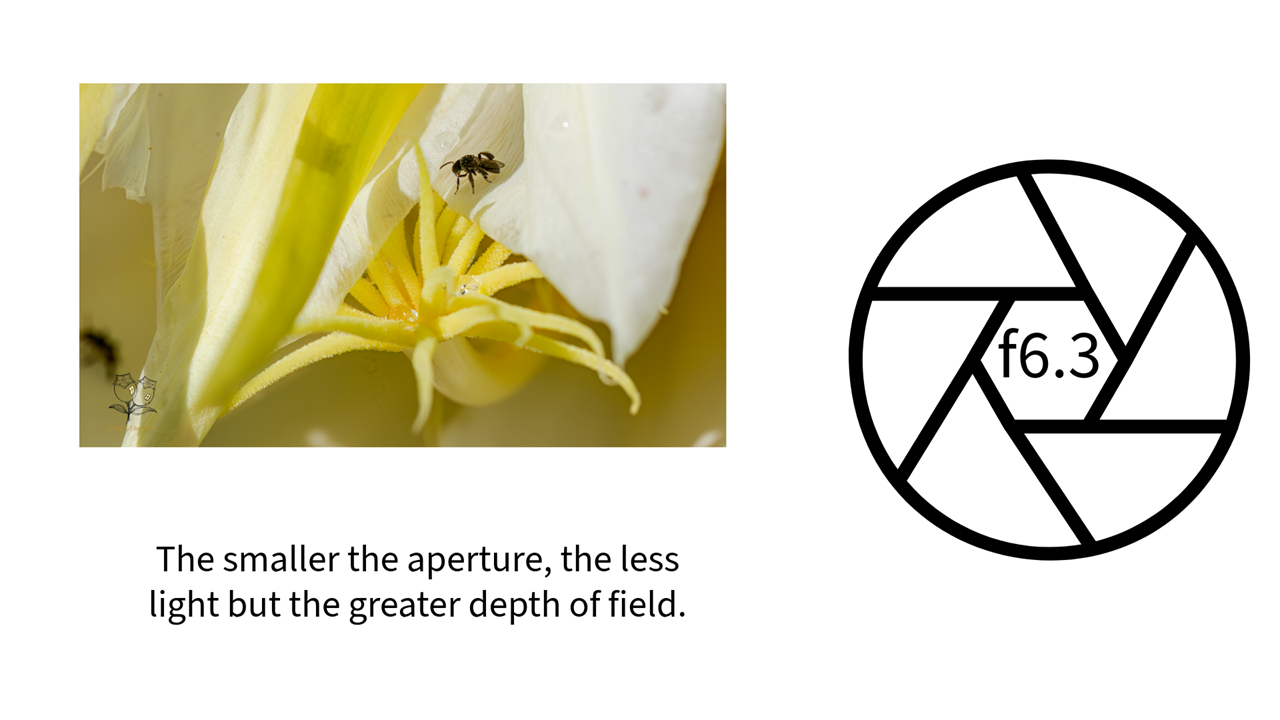
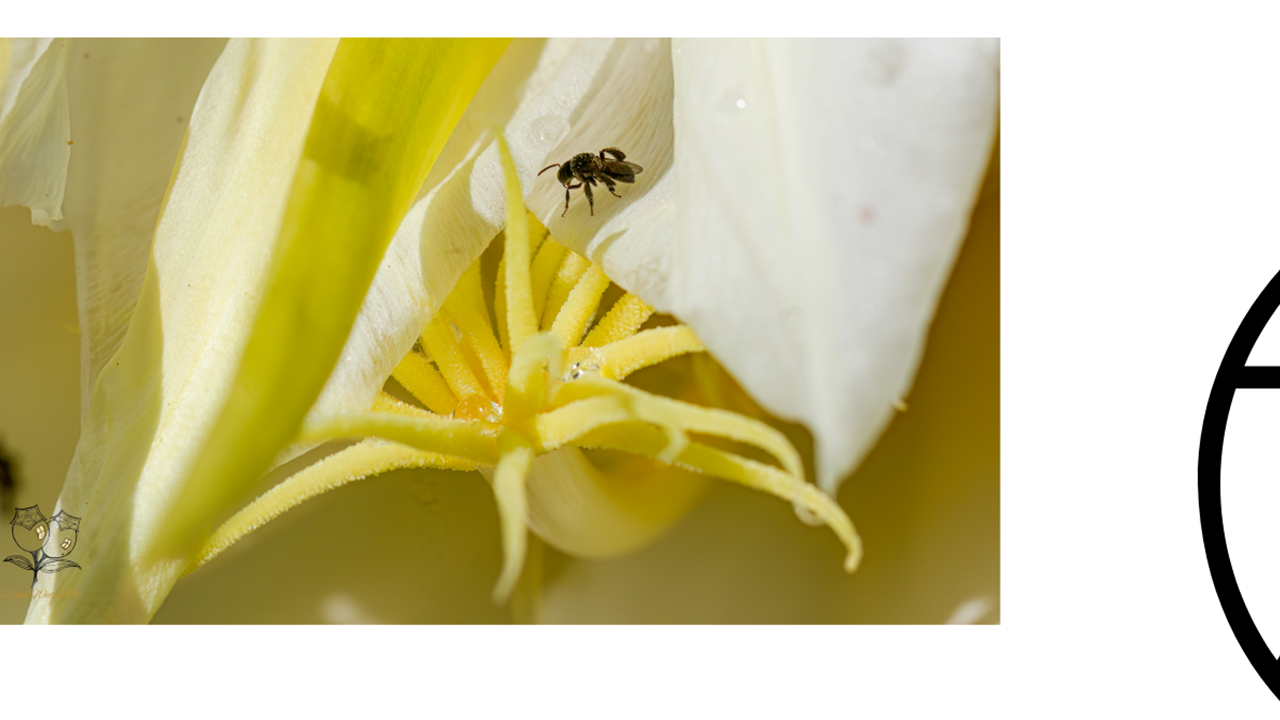
An aperture of f6.3 is smaller and you can see that more of the flower is in focus.
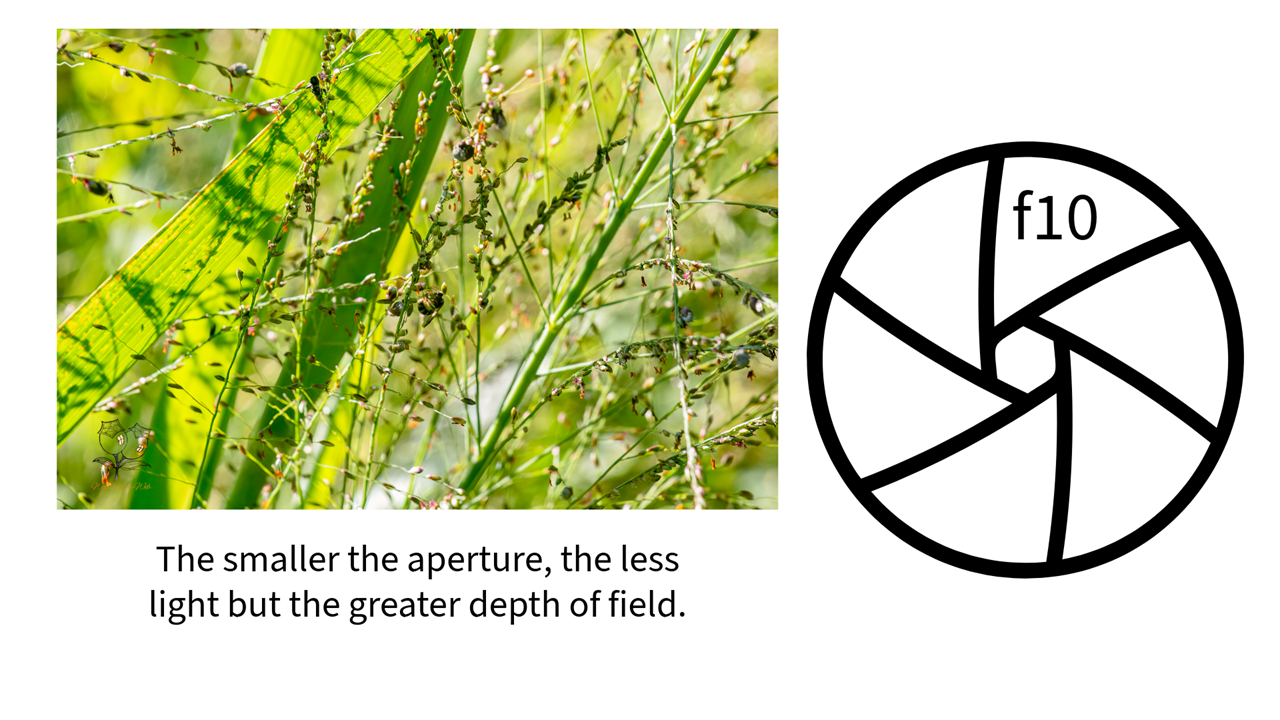
Finally with an even smaller aperture, you can see even more of the third photo is in focus. There is a bee in there right in the centre.
So my strategy when trying to capture bees in flight is to focus on the flower and wait for the bee to fly into the depth of field. The more light, the easier this is to do because the apeture will be smaller creating a larger depth of field.
Basically if aperture is set to auto on my camera or phone, the more light there is, the greater the chance of getting the bee in flight in focus. The thing about Australian native bees is that they are FAST. I generally set a very fast shutter speed(1/800 – 1/1000) so that I can capture them without blur. This means less time for light which means that the aperture is likely to be bigger.
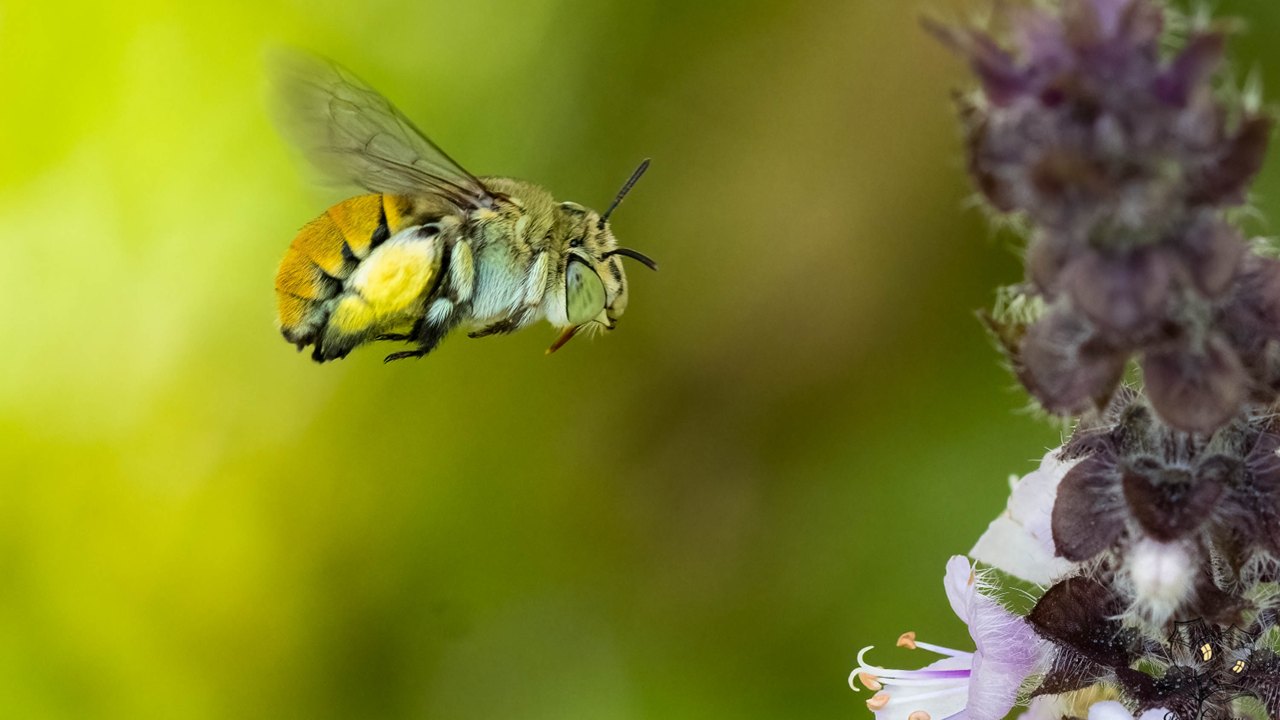
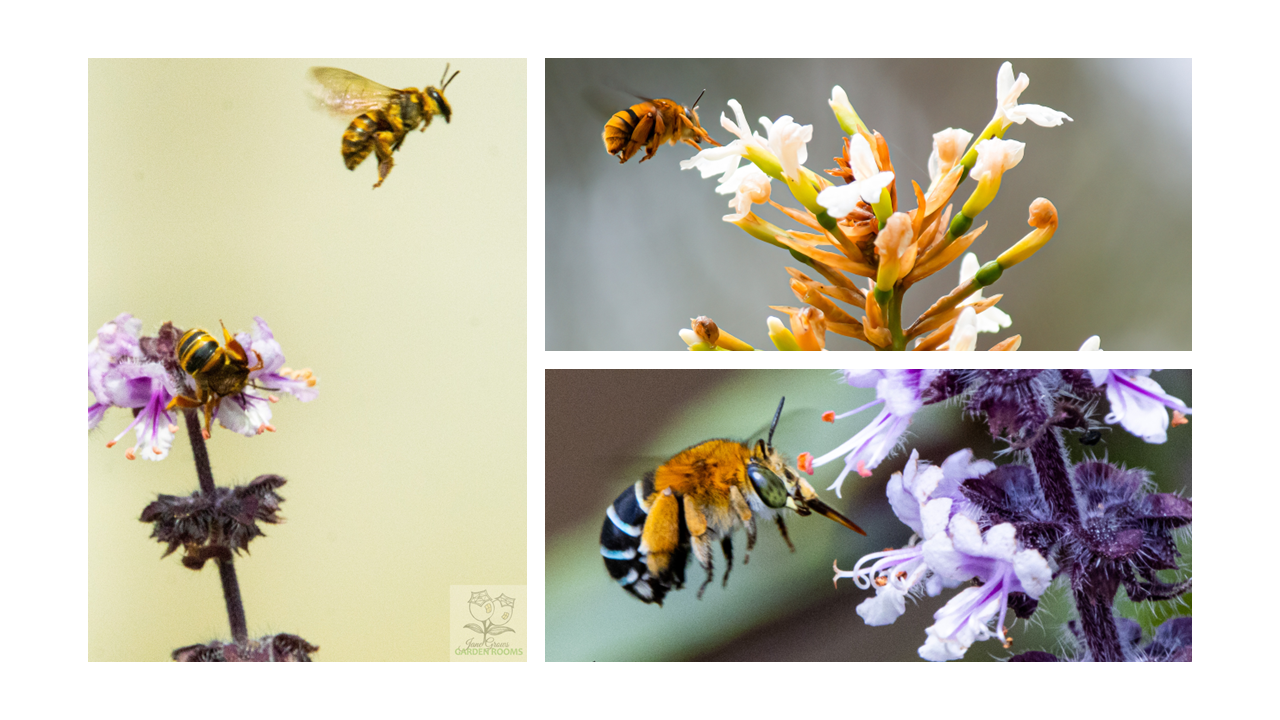
Basically what that boils down to is that bees in flight are hard. Having said that it’s possible, especially if you set rapid shot or burst mode. That’s where every time you hit the button and hold it down the camera takes lots of shots in a short period of time. Theoretically if you do this as the bee approaches the flower you are going to get a couple of shots in the depth of field. Here’s one of my favourite bee in flight photos and the shots taken before and after.
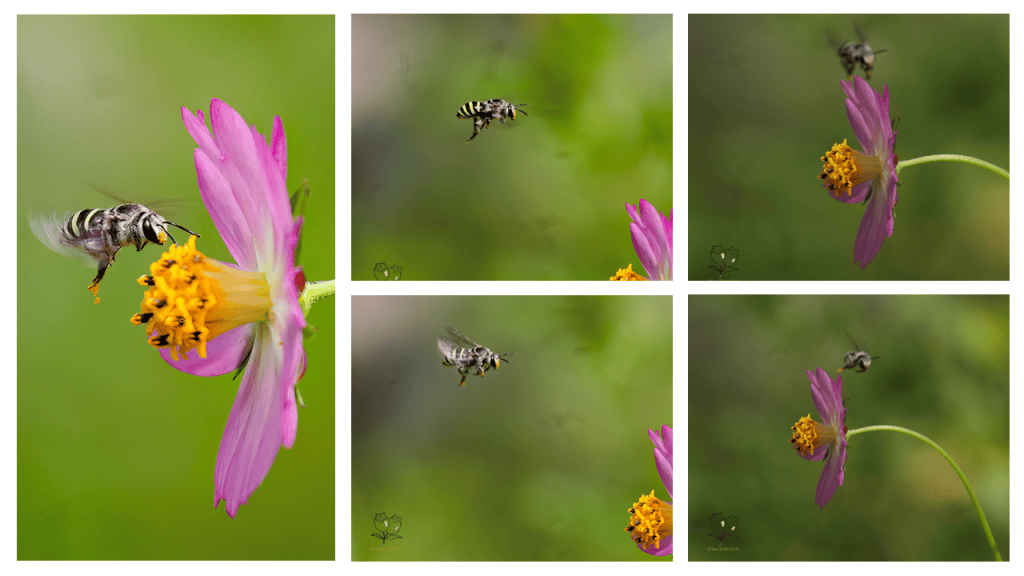
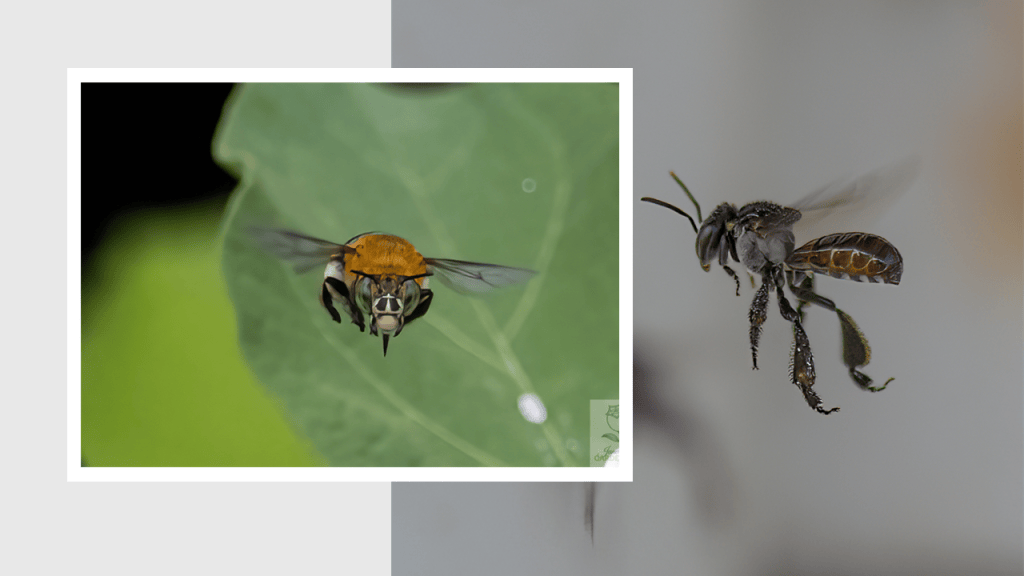
Technically the first shot is not flawless but it was a total fluke. Sometimes you just get lucky! The next one was more deliberate. It’s a Tetragonula sapiens and to get this shot, I put my camera on a tripod, manually focused just in front of the hive and just rapid fired waiting for some to fly into the focus area.
To use this strategy you can maximise your chances by using certain flowers. Perennial Basil is great because there are so many flowers on each stalk and they generally stick straight up. When the bees fly up and down the stalks it gives you lots of opportunities to take shots while there in the focus zone with the flower stalk. So if you decide to try this, I recommend starting with a plant like basil, salvias, coleus, anything with flower spikes.
I’d love to see your experiments with this tip! Share them with me on Facebook, Instagram @janegrowsgardenrooms or Reddit in r/australianbees.
Make sure to follow for the next tip! In the meantime here’s a video with more photography:


