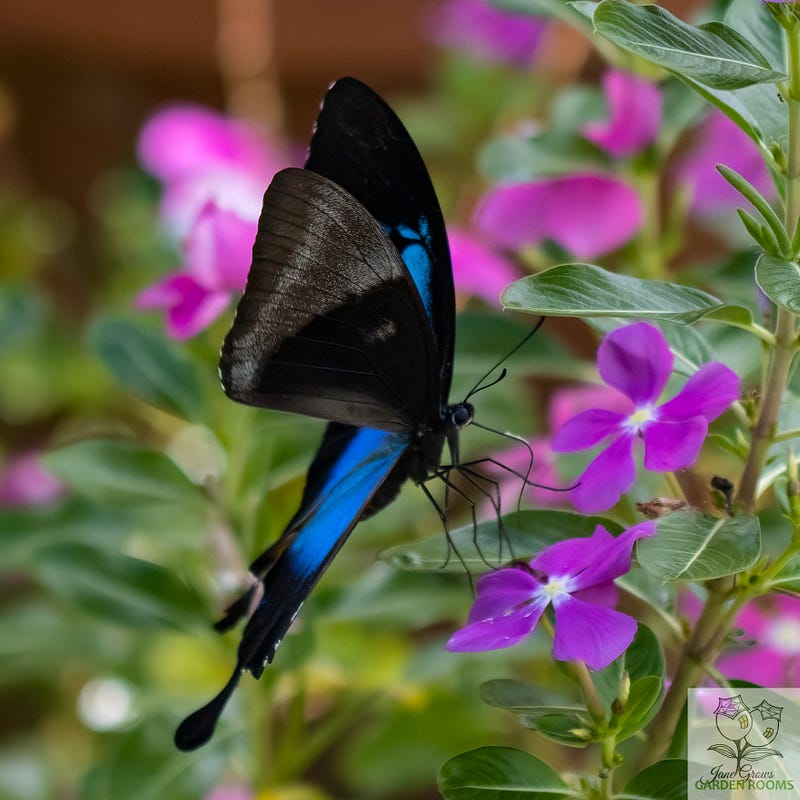
A Photography Story Photo a Day Challenge When Lighthunting Yields a Catch Photo a Day Challenge: Week 60— January 20th to January 26th 2023 This week I finally managed to capture a wild Ulysses Butterfly with my camera! I have been trying ever since we moved house eight months ago. Almost every day I see one or… Continue reading Lighthunting Yields a Catch
Category: biodiversity

Australian Mellitidia – the Smiley Bee
Mellitidia tomentifera Recently I posted a photo of one of these golden beauties on social media and discovered a far more enchanting common name than Australian Mellitidia. Apparently some in its restricted range in Far North Queensland call them “Smileys”. Can you see why? It’s that patterning on the thorax! The two triangles of black… Continue reading Australian Mellitidia – the Smiley Bee

Bird Calls in the Morning
This morning as I sat enjoying a coffee and gazing at the blue sky mottled with soft clouds after the previous day’s rain, I heard a Spangled Drongo. Spangled Drongos disappear here in the warmer months, heading South only to return in Autumn to enjoy our balmy tropical “winter”. Shiny metallic feathers, red eyes and… Continue reading Bird Calls in the Morning

Pest Control and Fertilizer in one Foliar Spray-Organic-Iron-Magnesium-Calcium-Garden Tip-Hack
Jane shares a pest control solution that also fertilises your plants! Lots of essential trace nutrients like magnesium and iron plus a sugar hit to keep the bugs away. Repels grasshoppers, katydids and even leaf beetles! Jane’s plants have also had fewer sap suckers! The thing is, many plants are already unhealthy when they are… Continue reading Pest Control and Fertilizer in one Foliar Spray-Organic-Iron-Magnesium-Calcium-Garden Tip-Hack
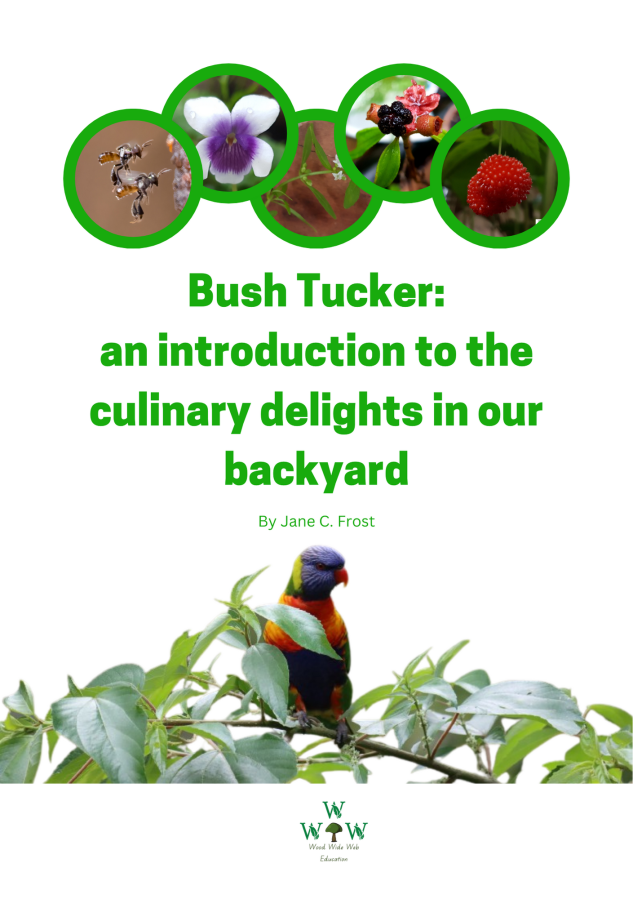
An Introduction to Australian Bush Tucker
NEW eBook with 52 easy to read bush food profiles I’ve just published my first eBook! It’s a collection of profiles with information like alternative names, growing conditions, history, cultural uses and edible uses. You can find it on Etsy or by clicking here you will receive a 10% discount until January 22, 2023! Here’s… Continue reading An Introduction to Australian Bush Tucker

Native Ginger or Alpinia caerulea
Plant Profile Also known as: Growing Conditions: Propagation Uses This plant is a wonderful way to find buzz-pollinating bees in your garden. It delivered my first Teddy Bear Bee sighting and numerous Blue-banded Bee sightings. It is a classic understorey plant from subtropical and tropical rainforests and can therefore be used in shady places in… Continue reading Native Ginger or Alpinia caerulea
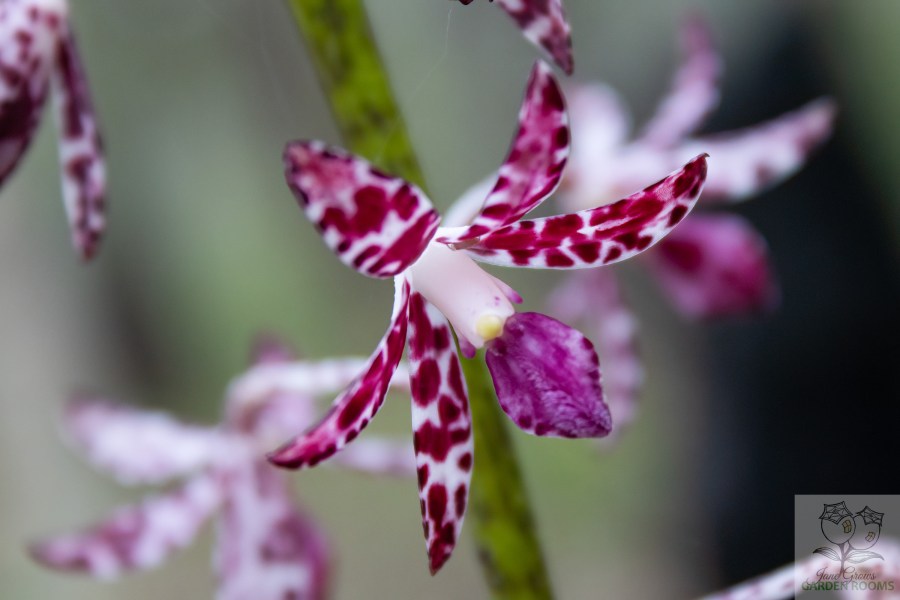
A True Wildflower of the Tamborine Bush – Slender Hyacinth Orchid
Dipodium variegatum The Slender Hyacinth Orchid is truly a wildflower. Orchid enthusiasts have tried to cultivate it, but have been unsuccessful due to its unique growing conditions. Dipodium variegatum is leafless and the only part of it that appears above ground is the stalk and flower. It is a saprophyte meaning that it is not… Continue reading A True Wildflower of the Tamborine Bush – Slender Hyacinth Orchid
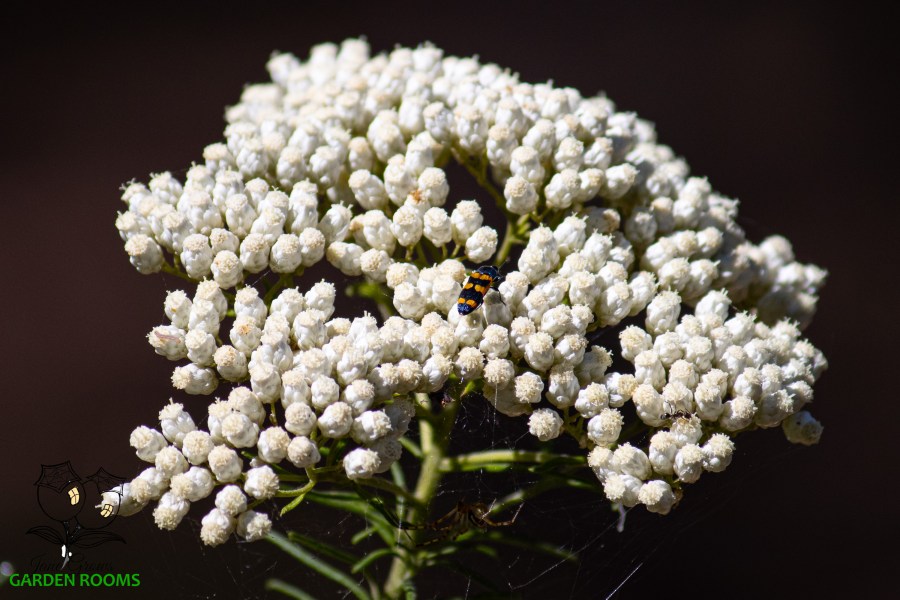
Sago Bush or Ozothamnus Diosmifolius
Plant Profile This plant is not hard to find in Tamborine Village. Ozothamnus diosmifolius is flowering beautifully this year. From my back patio It looks like the bushes are snow-topped as they cluster around our dam. The name comes from the Greek Ozo “to smell” and Thamnus “shrub” referring to the pungent smell of crushed… Continue reading Sago Bush or Ozothamnus Diosmifolius
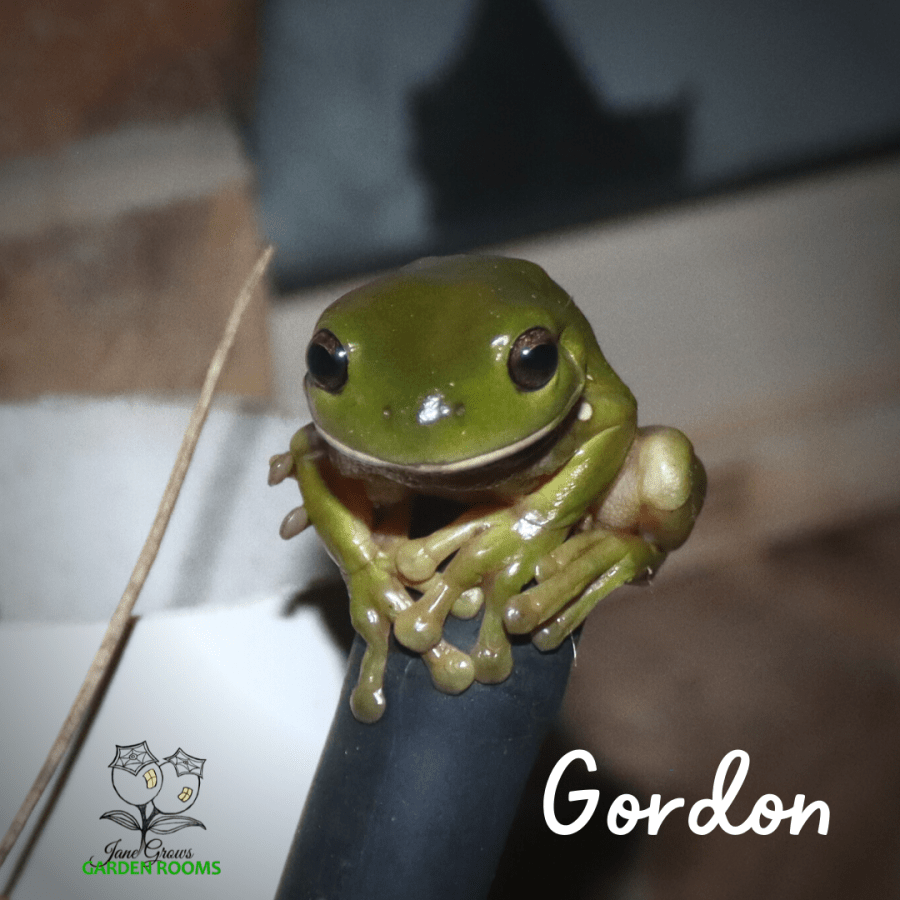
Invite Some Garden Friends: Backyard Biodiversity Tip Four
Using nature to control weeds and pests is a great way to garden organically and improve the biodiversity in your garden. It’s been a long time coming, but here it is and it’s all about using nature to control weeds and pests. This is the fourth in a series. You can find the first three by… Continue reading Invite Some Garden Friends: Backyard Biodiversity Tip Four

Plant Profile – Spotted Gum – Corymbia citriodora subsp. variegata
Also known as: Eucalyptus maculata (historical, no longer used by herbariums for this species) Corymbia maculata (historical, no longer used by herbariums for this species) Eucalyptus citriodora (historical, no longer used by herbariums for this species) Growing conditions: Prefers well-draining soils Like growing on slopes Prefers full sun Drought tolerant Propagation: Seeds in shallow trays… Continue reading Plant Profile – Spotted Gum – Corymbia citriodora subsp. variegata
 Jane Grows Garden Rooms