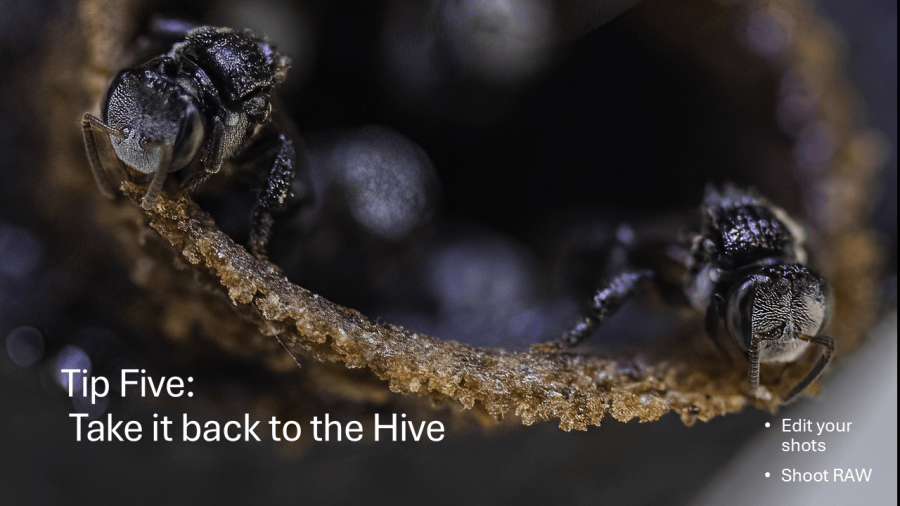
Simple tips to improve your bee photography Take it back to the hive! Try editing your shots and shoot RAW if you have the storage. The species in the feature photo is Tetragonula clypearis and I love this photo because they’re tiny. They are in fact one of Australia’s smallest stingless bees. They are 3.5mm… Continue reading Five Tips for Un-bee-lievable Photos- Tip Five
Tag: Native
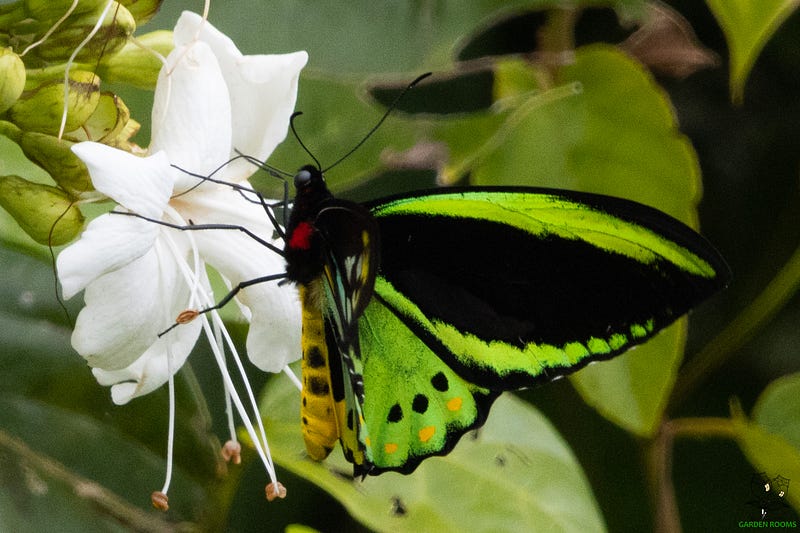
Lighthunting and its Rewards for a Lover of Nature
The quest to capture nature photos can be frustrating, but the reward is well worth the hours waiting for the shot. Nature photography is both frustrating and exhilerating. The list of must-have shots seems to grow faster than they are achieved. Today I got one of those shots. The Cairns Birdwing Butterfly (Ornithoptera euphorion) is Australia’s… Continue reading Lighthunting and its Rewards for a Lover of Nature
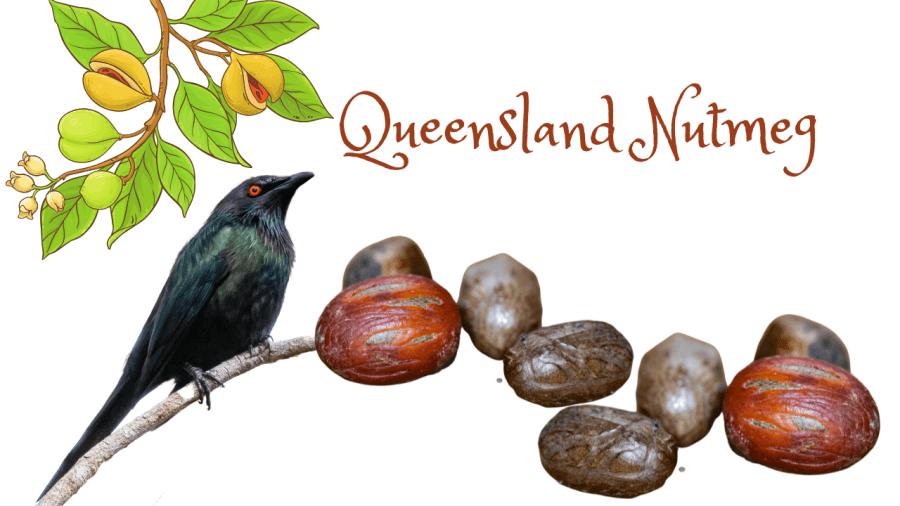
Queensland Nutmeg – Plant Profile
Our very own Nutmeg and Mace! Australian Bush Tucker Bites presents Queensland Nutmeg (Myristica globosa). Related to the “true” Nutmeg, this nutmeg is a little less pungent but can be used the same way. The red aril is a native Mace. This stunning rainforest tree is visited by Metallic Starlings (Aplonis metallica) in a gregarious,… Continue reading Queensland Nutmeg – Plant Profile

Strawberry Gum
The true Aussie Strawberry to enjoy with cream! Australian Bush Tucker Bites presents Strawberry Gum (Eucalyptus olida). This one is surprising as well as stunning. Strawberry Gums are majestic giants growing more than 30 metres (100 feet) tall. They are also rare, found in one small pocket of land in Northern New South Wales. After… Continue reading Strawberry Gum

An Introduction to Australian Bush Tucker
NEW eBook with 52 easy to read bush food profiles I’ve just published my first eBook! It’s a collection of profiles with information like alternative names, growing conditions, history, cultural uses and edible uses. You can find it on Etsy or by clicking here you will receive a 10% discount until January 22, 2023! Here’s… Continue reading An Introduction to Australian Bush Tucker

Native Ginger or Alpinia caerulea
Plant Profile Also known as: Red Back Ginger (subspecies from the Atherton Tablelands) Growing Conditions: Shade, will tolerate part shade Moist, well-draining soil (tolerates sandy soil) Protect from frost Pots, garden beds, rockeries, gaps, narrow gardens, hedges, as a screening plant Flowers late Spring/Summer Fruits follow flowers in Summer/early Autumn Propagation root division – click… Continue reading Native Ginger or Alpinia caerulea
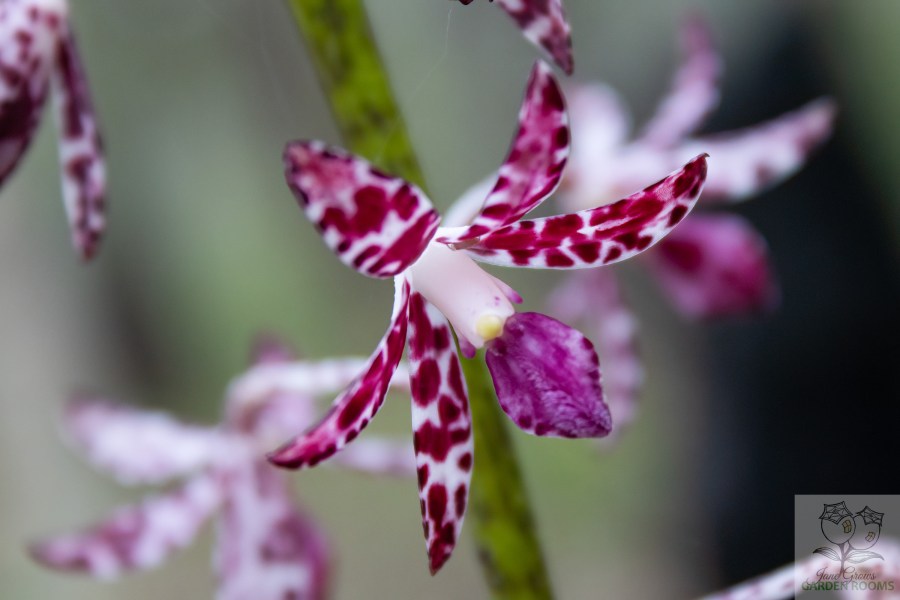
A True Wildflower of the Tamborine Bush – Slender Hyacinth Orchid
Dipodium variegatum The Slender Hyacinth Orchid is truly a wildflower. Orchid enthusiasts have tried to cultivate it, but have been unsuccessful due to its unique growing conditions. Dipodium variegatum is leafless and the only part of it that appears above ground is the stalk and flower. It is a saprophyte meaning that it is not… Continue reading A True Wildflower of the Tamborine Bush – Slender Hyacinth Orchid
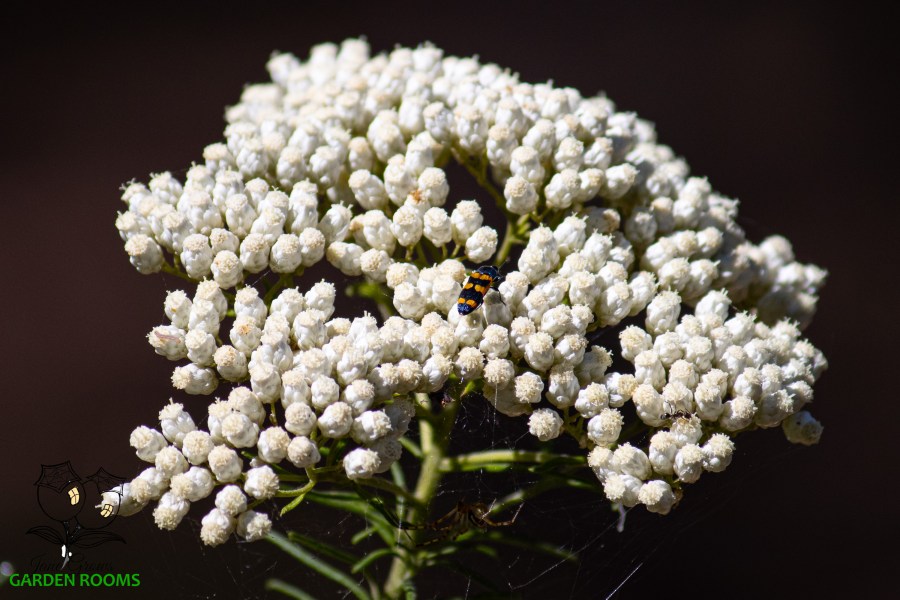
Sago Bush or Ozothamnus Diosmifolius
Plant Profile This plant is not hard to find in Tamborine Village. Ozothamnus diosmifolius is flowering beautifully this year. From my back patio It looks like the bushes are snow-topped as they cluster around our dam. The name comes from the Greek Ozo “to smell” and Thamnus “shrub” referring to the pungent smell of crushed… Continue reading Sago Bush or Ozothamnus Diosmifolius
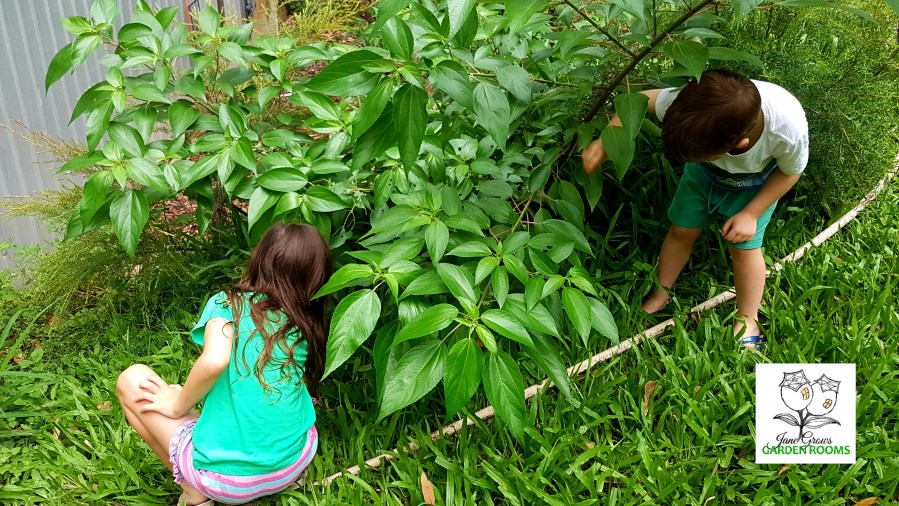
Plant Profile – Native Mulberry – Pipturus argenteus
This plant is a biodiversity hub in my garden. A few moments of close observation on any given day reveals species galore. From the Eastern Sedge Frog family to Rainbow Lorikeets to countless insects, I am never disappointed. My children are also regularly drawn to the tree to gather and gobble the tiny sweet fruits… Continue reading Plant Profile – Native Mulberry – Pipturus argenteus

Plant Profile – Warrigal Greens
Also known as: Tetragonia tetragonoides New Zealand Spinach Botany Bay Spinach Sea Spinach Growing conditions: Full sun/Part shade Tolerant of most soils/prefers moist, well-drained loam Harvest regularly for best growth Perennial in tropics and subtropics/annual in cooler zones 20cm high and 200cm wide Suitable for garden beds and rockeries/good gap filler/living mulch/hanging pots Propagation: Soak… Continue reading Plant Profile – Warrigal Greens

