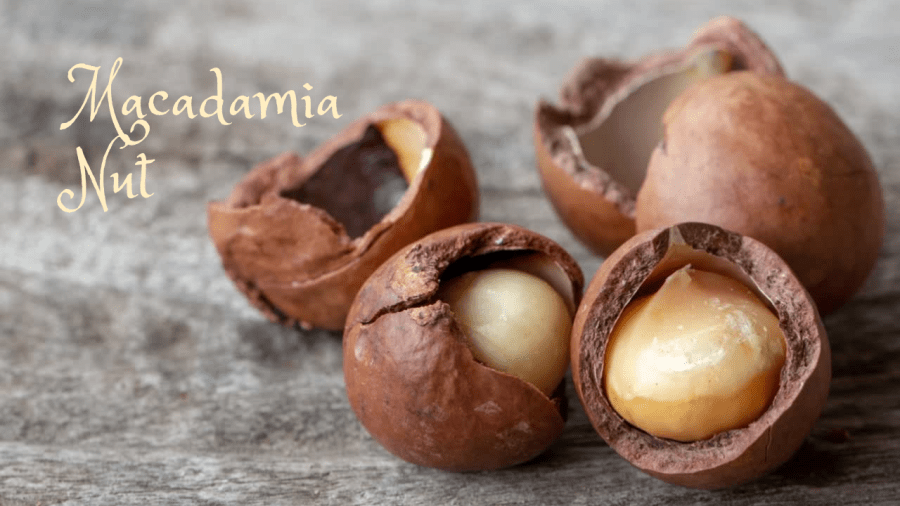
Australian Bush Tucker Bites presents Macadamia Nut (Macadamia species). For tens of thousands of years, First Nations people of Australia collected, traded and roasted these nuts on the East coast. They were called names such as Goomburra, Boombera, Gyndl and Kendal. From a nutritious oil with a high smoke point to a snack and baking… Continue reading From Ancient delicacy to Modern superfood.
Category: Garden
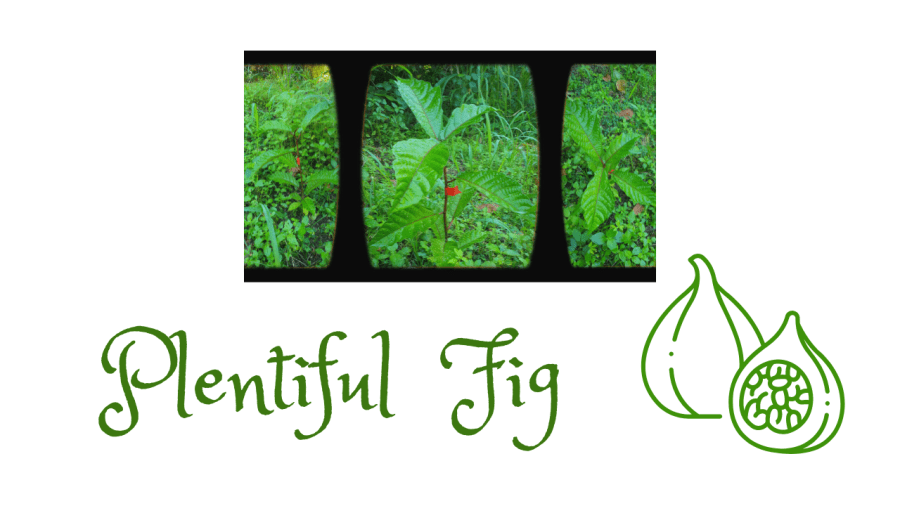
The leaves are more popular than the figs!
Australian Bush Tucker Bites presents Plentiful Fig (Ficus copiosa). Grown as a food crop in Papua New Guinea, this plant is also found in Northern Australia. The figs are edible, but bland. It is the leaves that are most often consumed, either raw or cooked. This fig is unusual in that it can be kept… Continue reading The leaves are more popular than the figs!

Greens on the seashore.
Australian Bush Tucker Bites presents Native Cabbage (Scaevola taccada). Native to coastal regions of Northern Australia and around the Pacific region, this plant has many medicinal uses. First Nations people use the juice from the flowers to treat sore eyes, tinea and sores. Stings and bites are treated with both the juice and sap from… Continue reading Greens on the seashore.

The easiest way to start cooking with Australian Bush Herbs!
Australian Bush Tucker Bites presents Infusing Olive Oil with Australian Native Herbs. One of my favourite ways to use the native herbs from my garden is by infusing them in olive oil and it’s super easy! Today I used Native Thyme (Prostanthera incisa) — it’s perfect for lamb dishes as its flavour has minty notes to complement… Continue reading The easiest way to start cooking with Australian Bush Herbs!
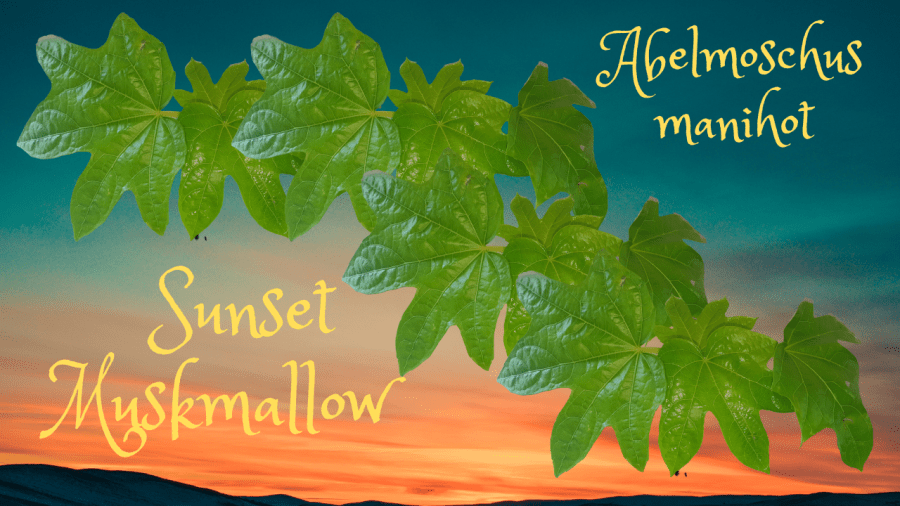
Hibiscus-like flowers with delicious greens!
Australian Bush Tucker Bites presents Sunset Muskmallow (Abelmoschus manihot). Also known as Queensland Greens, this plant is found in Australia’s tropics, though it covers a number of climate zones across the Asia-Pacific. At the limits of its distribution, it is annual, but it is perennial in some areas; preferring a climate that is humid with… Continue reading Hibiscus-like flowers with delicious greens!

The Propagating Hack that Changed my Life
Water-wise and cheap to set up, propagating by cutting has become easier than it ever was before! As we prepared to move house, I found myself dismayed by the number of rare or difficult-to-get plants that were in the ground. I wanted to take them with me! The answer? Propagation by cuttings! This sounds like a… Continue reading The Propagating Hack that Changed my Life
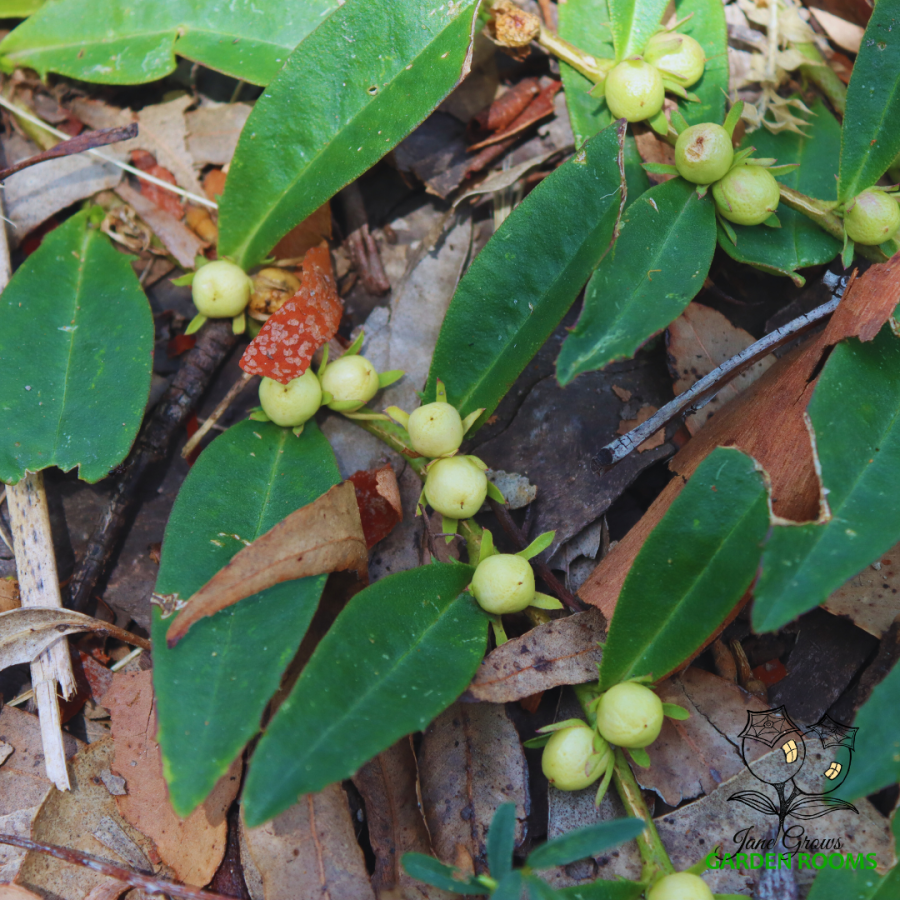
Winter Apple Plant Profile
Eremophilia debilis Its scientific name can be roughly translated as “desert loving” referring to its ability to survive arid conditions, but rain during the fruiting season will result in sweeter fruit. Indigenous Australians ate this as a snack, discarding the large seed which fills most of the capsule. Some sources say that the fruit contains… Continue reading Winter Apple Plant Profile
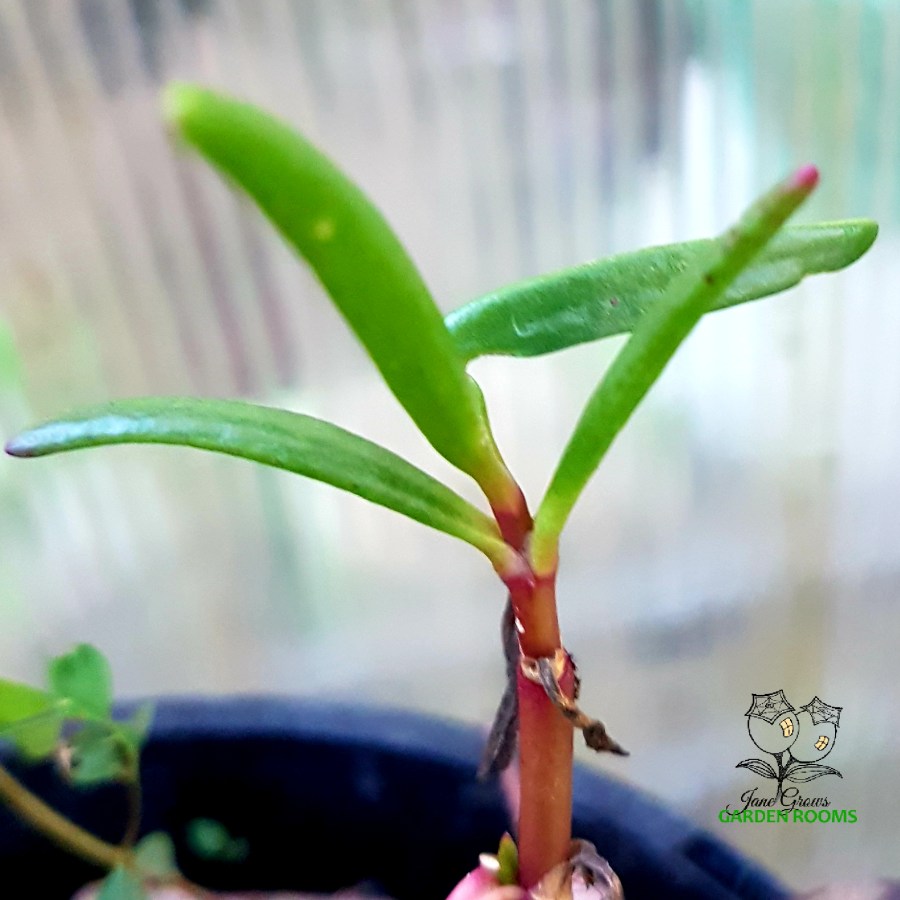
Plant Profile – Sea Purslane
Also known as: Growing conditions: Propagation This plant grows in coastal areas around the world and has a rich culinary and medicinal history. High in Vitamin C, Sea Purslane has been used to treat ailments from scurvy to leprosy to fevers and more. Leaves can be eaten raw, blanched or steamed and apparently make an… Continue reading Plant Profile – Sea Purslane
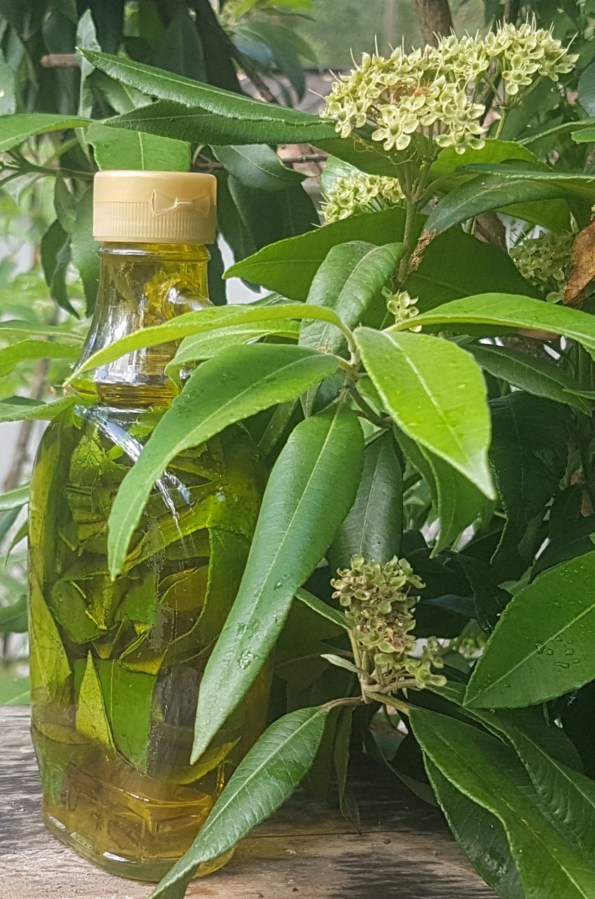
Cooking with Lemon Myrtle
Seven ways to use Lemon Myrtle in the kitchen One of the best things about Lemon Myrtle is that it is so versatile and easy to use in the kitchen. A small plant yields a harvest as soon as it is big enough to prune and you can harvest any time of year. There’s no… Continue reading Cooking with Lemon Myrtle
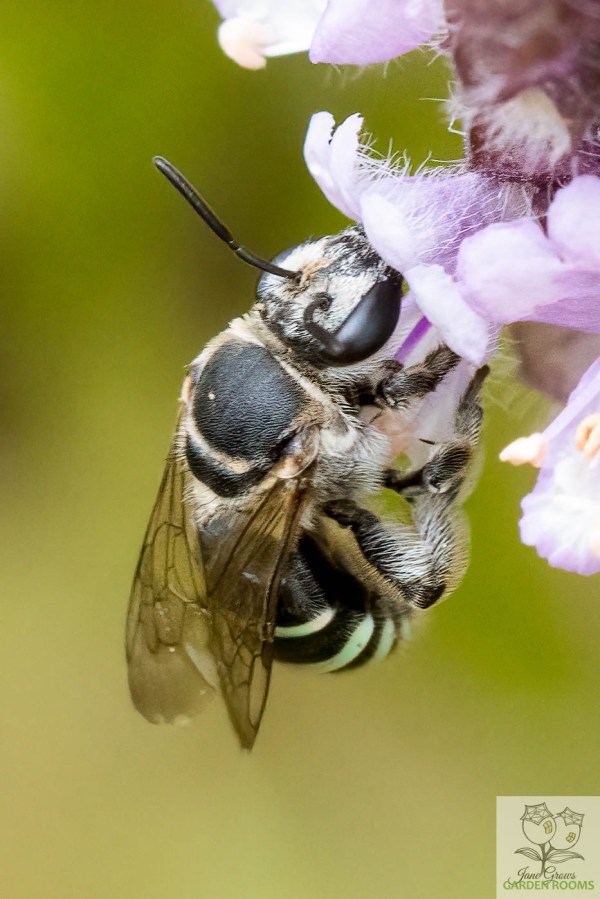
Sweat Bees – Nomia and Lipotriches
These buzz pollinators are in the Halictidae family. All of the Halictidae bees are said to be attracted to perspiration, explaining the common name of “Sweat Bee”. Unlike other buzz pollinators discussed in this blog, bees in the Nomia genus have hard enamel-like bands rather than hairs. The hairier bees in the Lipotriches genus used… Continue reading Sweat Bees – Nomia and Lipotriches
 Jane Grows Garden Rooms