
Plant Profile Also known as: Red Back Ginger (subspecies from the Atherton Tablelands) Growing Conditions: Shade, will tolerate part shade Moist, well-draining soil (tolerates sandy soil) Protect from frost Pots, garden beds, rockeries, gaps, narrow gardens, hedges, as a screening plant Flowers late Spring/Summer Fruits follow flowers in Summer/early Autumn Propagation root division – click… Continue reading Native Ginger or Alpinia caerulea
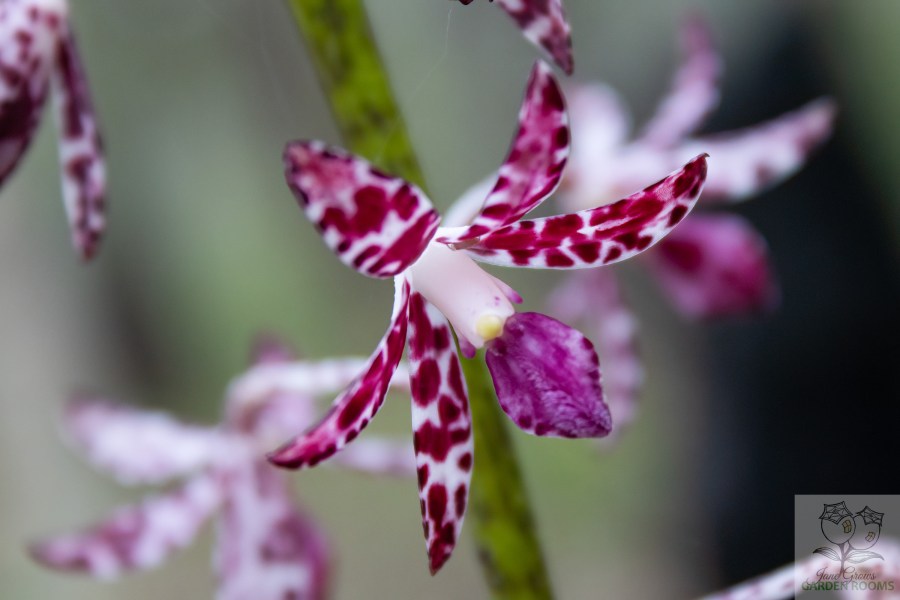
A True Wildflower of the Tamborine Bush – Slender Hyacinth Orchid
Dipodium variegatum The Slender Hyacinth Orchid is truly a wildflower. Orchid enthusiasts have tried to cultivate it, but have been unsuccessful due to its unique growing conditions. Dipodium variegatum is leafless and the only part of it that appears above ground is the stalk and flower. It is a saprophyte meaning that it is not… Continue reading A True Wildflower of the Tamborine Bush – Slender Hyacinth Orchid

A Garlic for Subtropical and Tropical Climates
Society Garlic (Tulbaghia violacea) is the perfect way to grow garlic flavours in warm climates. I love garlic flavours, but try as I might, I just can’t get garlic to grow in my subtropical climate zone. The solution? Society Garlic or Tulbaghia violacea! This strappy leaved plant with lovely purple flowers will grow as an… Continue reading A Garlic for Subtropical and Tropical Climates

Hardenbergia violocea or Happy Wanderer
Plant Profile Did you know that Indigenous Australians have used this plant as a tea and medicine for thousands of years? It is known by many names: Hardenbergia violacea, False Sarsparilla, Purple Coral Pea, Wild Sarsparilla, Waraburra, Vine Lilac. This lovely vine clambers and wanders over anything in its path. It makes a great groundcover… Continue reading Hardenbergia violocea or Happy Wanderer
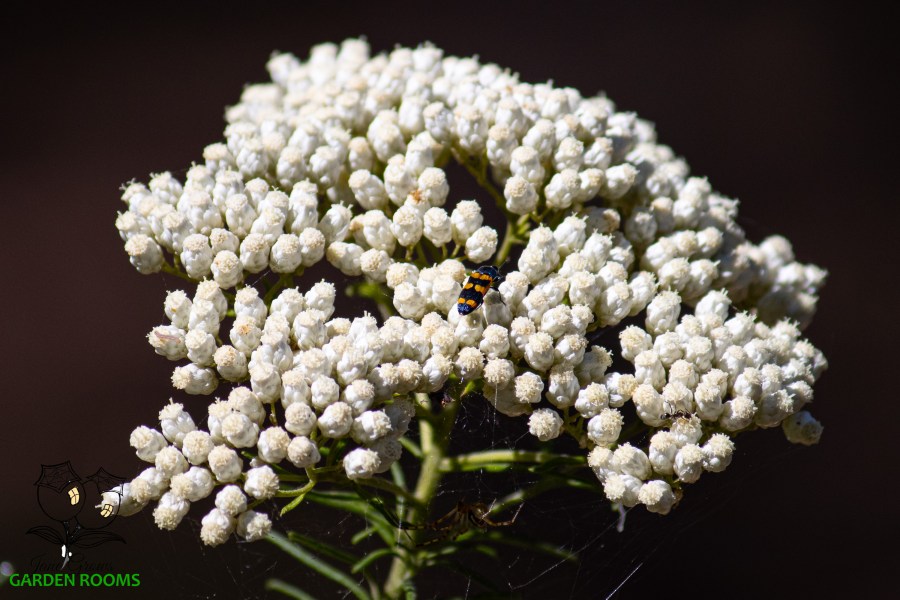
Sago Bush or Ozothamnus Diosmifolius
Plant Profile This plant is not hard to find in Tamborine Village. Ozothamnus diosmifolius is flowering beautifully this year. From my back patio It looks like the bushes are snow-topped as they cluster around our dam. The name comes from the Greek Ozo “to smell” and Thamnus “shrub” referring to the pungent smell of crushed… Continue reading Sago Bush or Ozothamnus Diosmifolius
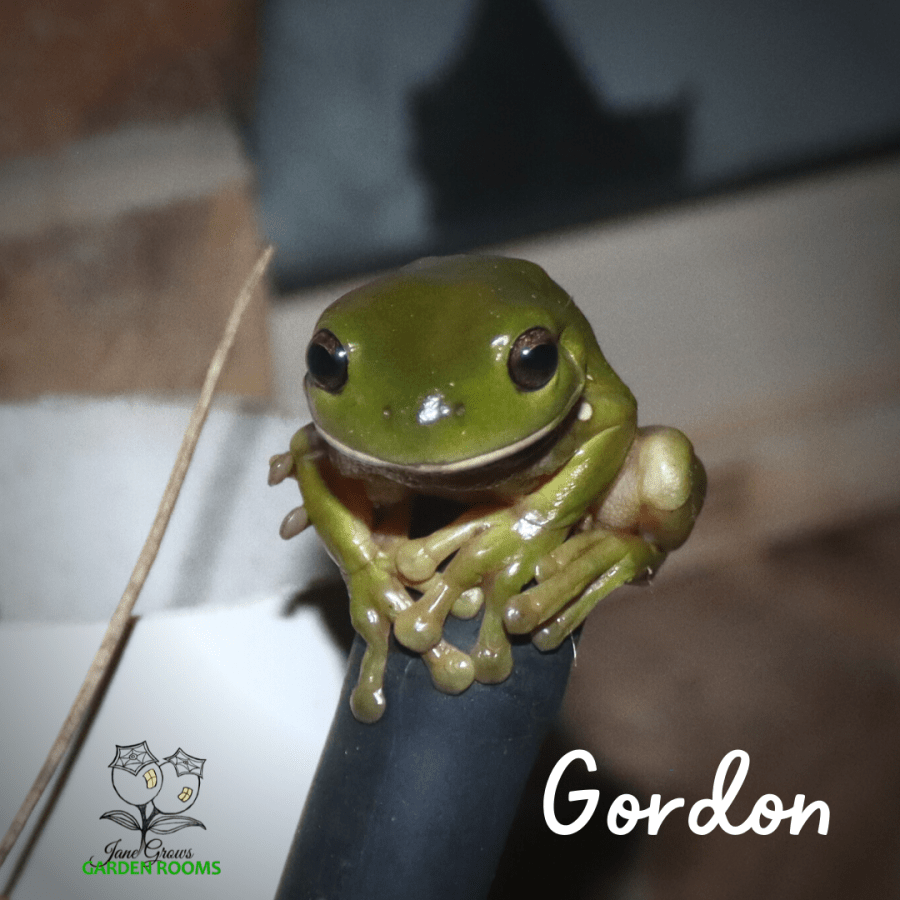
Invite Some Garden Friends: Backyard Biodiversity Tip Four
Using nature to control weeds and pests is a great way to garden organically and improve the biodiversity in your garden. It’s been a long time coming, but here it is and it’s all about using nature to control weeds and pests. This is the fourth in a series. You can find the first three by… Continue reading Invite Some Garden Friends: Backyard Biodiversity Tip Four
The Newsletter from the Garden Rooms
Would you like a FREE weekly newsletter delivered to your email inbox? Each week includes 5 regular feature topics. Over the month 4 other feature topics will be included at least once. Feedback and requests are welcome! You can find the newsletter by clicking here or using the QR code below. Or keep scrolling for… Continue reading The Newsletter from the Garden Rooms

Plant Profile – Spotted Gum – Corymbia citriodora subsp. variegata
Also known as: Eucalyptus maculata (historical, no longer used by herbariums for this species) Corymbia maculata (historical, no longer used by herbariums for this species) Eucalyptus citriodora (historical, no longer used by herbariums for this species) Growing conditions: Prefers well-draining soils Like growing on slopes Prefers full sun Drought tolerant Propagation: Seeds in shallow trays… Continue reading Plant Profile – Spotted Gum – Corymbia citriodora subsp. variegata
Tea with Mother Nature
UNDER CONSTRUCTION! A landing page for my Medium Publication – click on the images to be redirected to the relevant post

