
Water-wise and cheap to set up, propagating by cutting has become easier than it ever was before! As we prepared to move house, I found myself dismayed by the number of rare or difficult-to-get plants that were in the ground. I wanted to take them with me! The answer? Propagation by cuttings! This sounds like a… Continue reading The Propagating Hack that Changed my Life
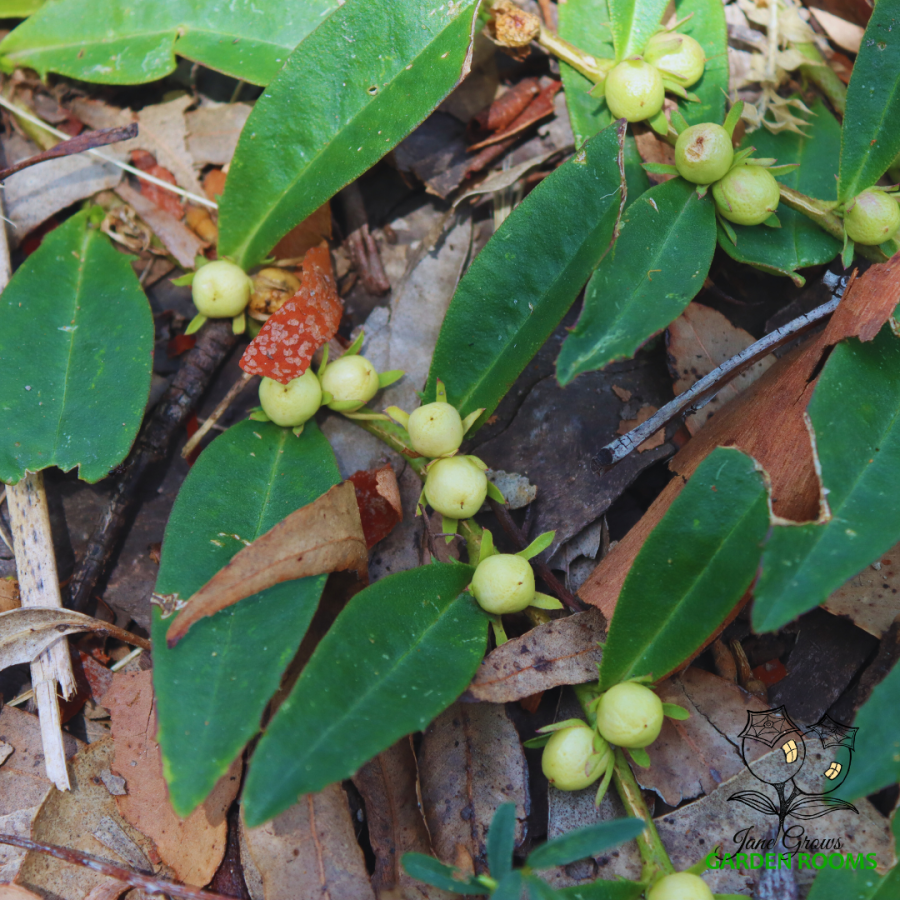
Winter Apple Plant Profile
Eremophilia debilis Its scientific name can be roughly translated as “desert loving” referring to its ability to survive arid conditions, but rain during the fruiting season will result in sweeter fruit. Indigenous Australians ate this as a snack, discarding the large seed which fills most of the capsule. Some sources say that the fruit contains… Continue reading Winter Apple Plant Profile
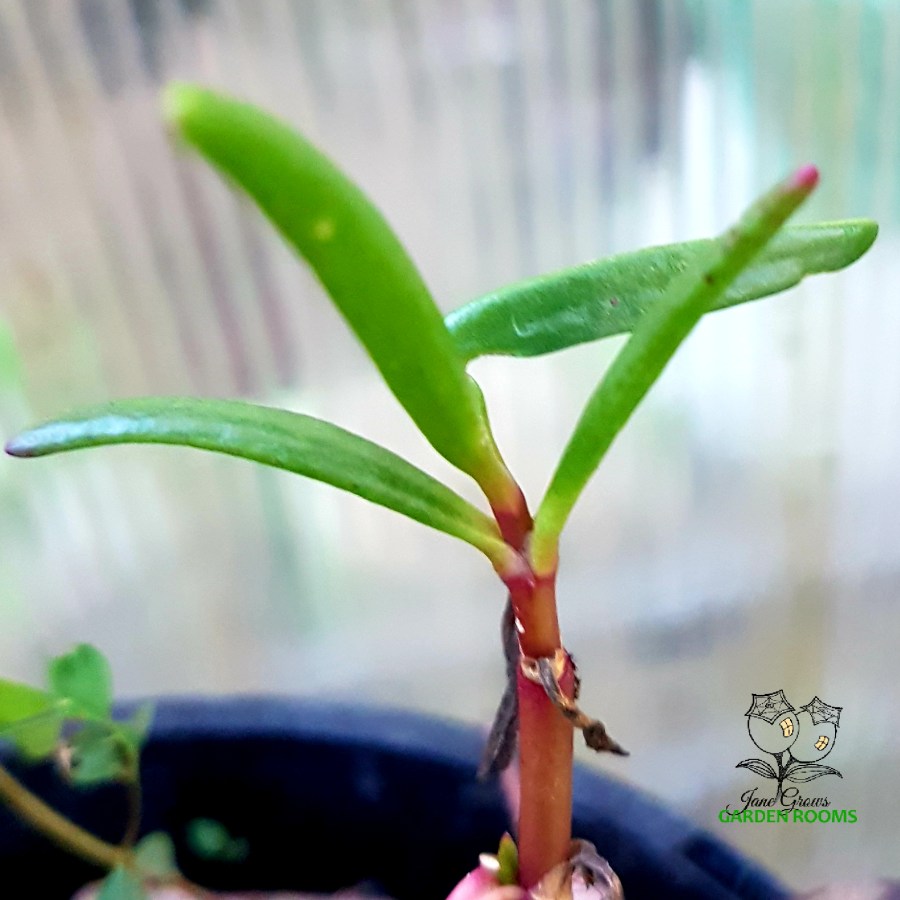
Plant Profile – Sea Purslane
Also known as: Growing conditions: Propagation This plant grows in coastal areas around the world and has a rich culinary and medicinal history. High in Vitamin C, Sea Purslane has been used to treat ailments from scurvy to leprosy to fevers and more. Leaves can be eaten raw, blanched or steamed and apparently make an… Continue reading Plant Profile – Sea Purslane
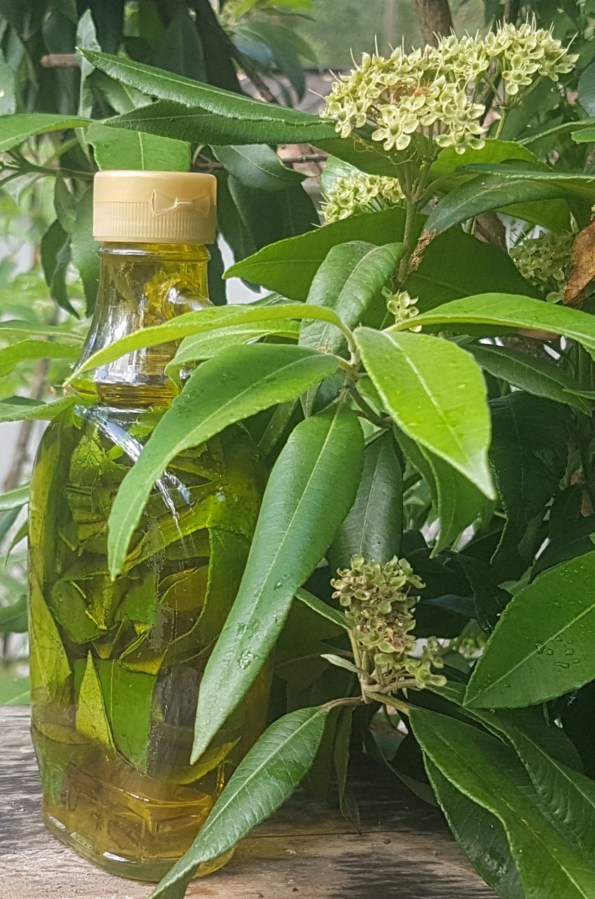
Cooking with Lemon Myrtle
Seven ways to use Lemon Myrtle in the kitchen One of the best things about Lemon Myrtle is that it is so versatile and easy to use in the kitchen. A small plant yields a harvest as soon as it is big enough to prune and you can harvest any time of year. There’s no… Continue reading Cooking with Lemon Myrtle
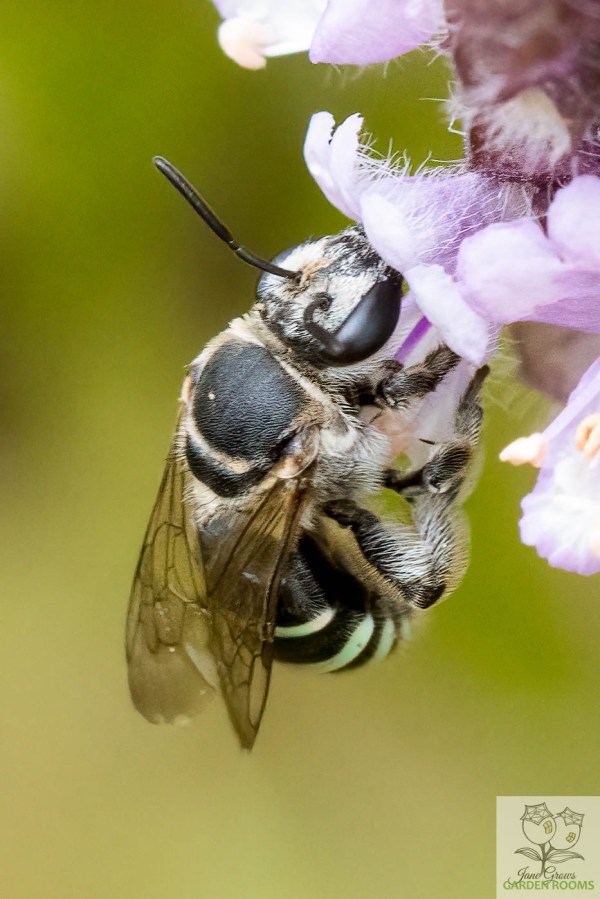
Sweat Bees – Nomia and Lipotriches
These buzz pollinators are in the Halictidae family. All of the Halictidae bees are said to be attracted to perspiration, explaining the common name of “Sweat Bee”. Unlike other buzz pollinators discussed in this blog, bees in the Nomia genus have hard enamel-like bands rather than hairs. The hairier bees in the Lipotriches genus used… Continue reading Sweat Bees – Nomia and Lipotriches
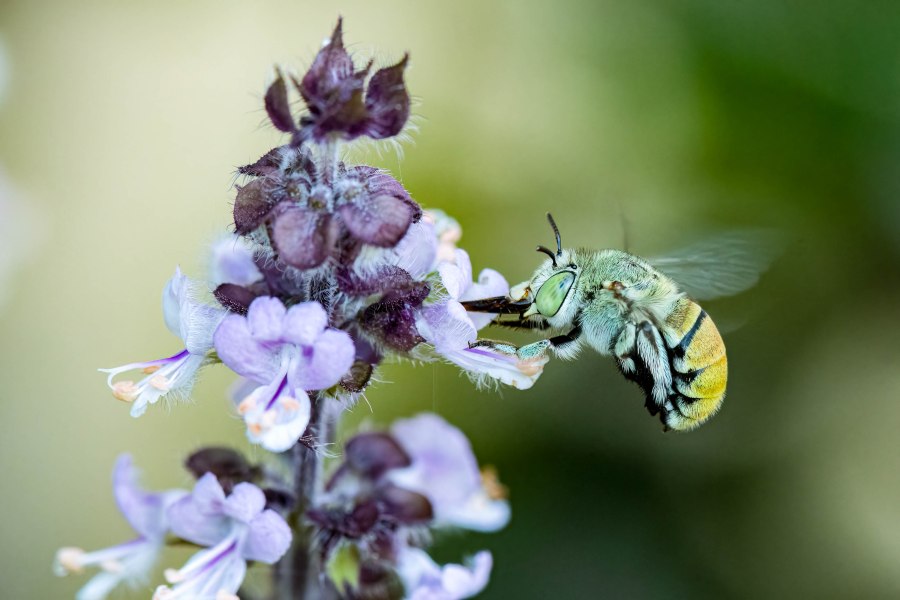
The Green and Golden Amegilla aeruginosa
At first sight in my new Far North Queensland garden I was shocked by this bee. It had all the hallmarks of Amegilla but no bands like Blue-banded Bees and it wasn’t a Teddy Bear Bee. Kit Prendergast, an Australian scientist who researches bees, came to the rescue with an identification. Despite being first described… Continue reading The Green and Golden Amegilla aeruginosa

Leafcutters and Resin Bees
Leafcutters and Resin Bees are both in the Megachile genus. I’ll never forget the first time I saw precisely cut leaves poking out of a hole in my bee hotel. This was my first encounter with a Leafcutter Bee and I’ve not had many encounters since. They are elusive and fast, both while cutting the… Continue reading Leafcutters and Resin Bees
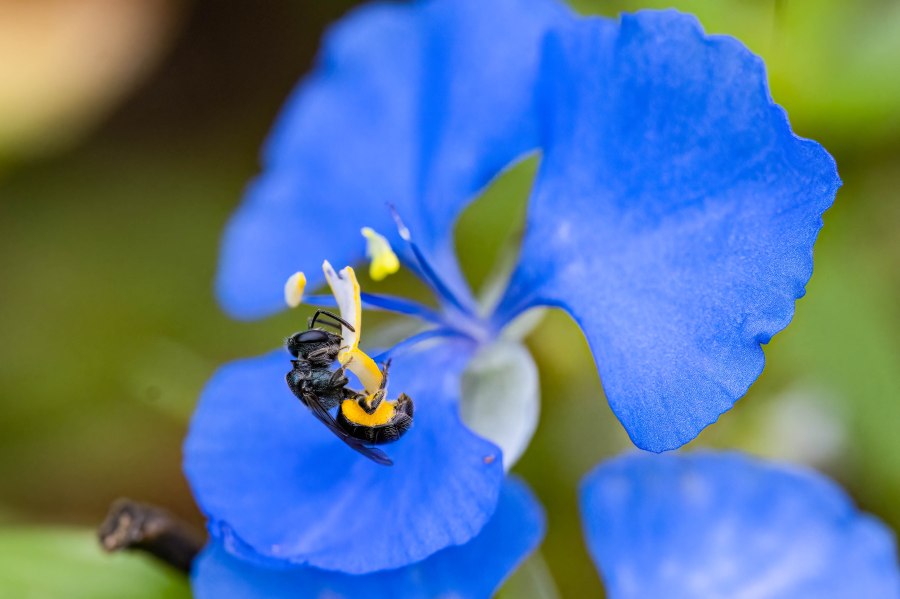
Tiny Buzz – Homalictus Bees
Most of the bees in this subgenus (of genus Lassioglossum) are less than 8mm long. The one in the feature photo (Homalictus urbanus) is between 4 and 5mm long! She is foraging from a tiny Commelina flower. They have relatively short tongues so prefer open “flat” flowers where it’s easy to reach pollen and nectar.… Continue reading Tiny Buzz – Homalictus Bees
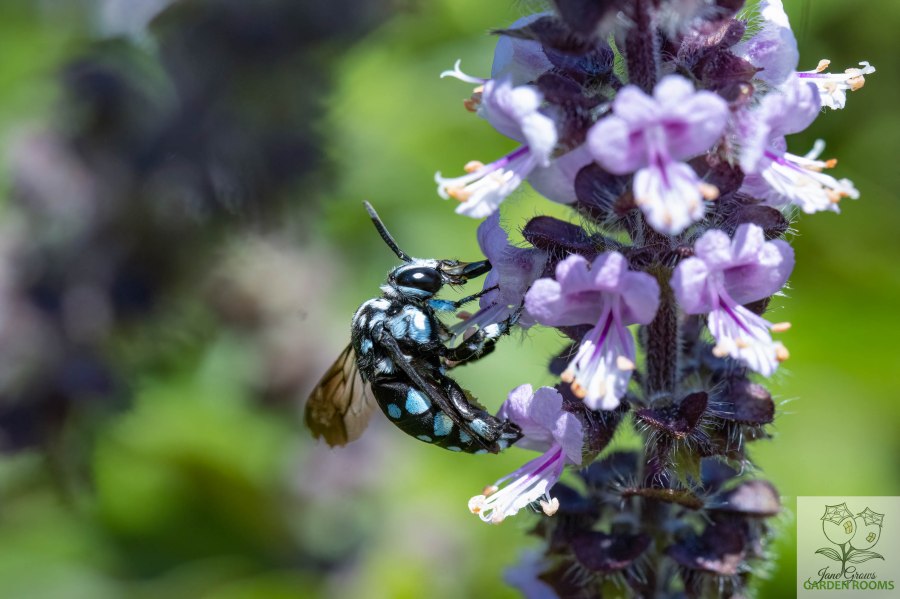
Australia’s Cuckoo Bees
These criminals of the bee world are deceptively beautiful. They buzz through the garden, bright colours or patterns grabbing the attention of the attentive gardener, but they work against other bee beauties. They are also known as “Cloak and Dagger Bees”. Coelioxys species use the newly built nests of Megachile species to lay their own… Continue reading Australia’s Cuckoo Bees

Australian Mellitidia
Who will solve the Mystery of the Australian Mellitidia? Just look at that gorgeous bee! She’s small, gold and awfully busy. She doesn’t care that “busy” is a bee stereotype. She has more important things to worry about. She’s probably nesting in ground burrows. From my observations, she appears to be a buzz pollinator. She… Continue reading Australian Mellitidia
 Jane Grows Garden Rooms