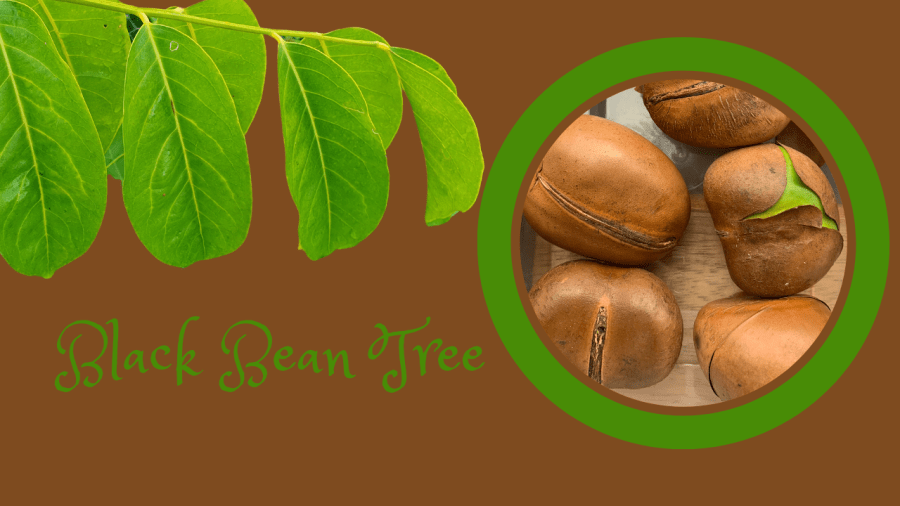
Nutritious seeds not recommended for consumption! Australian Bush Tucker Bites presents Black Bean Tree (Castanospermum australe). It’s a sad fact of Australia’s history that much of the culture of First Nations people has been lost due to government policies that separated people from their land and families. While it is known that many First Nations… Continue reading Black Bean: Plant Profile
Tag: biodiversity

Beer from the Bush: Wedge Leaf Hop Bush
Beer from the bush in Australia! Australian Bush Tucker Bites presents Wedge Leaf Hop Bush (Dodonaea viscosa). Before traditional brewing made its way to Australian shores, colonists brewed beer from the fruits of this bush. Of course, for thousands of years before that it had been used by First Nations people. Primarily a medicinal plant… Continue reading Beer from the Bush: Wedge Leaf Hop Bush

The Propagating Hack that Changed my Life
Water-wise and cheap to set up, propagating by cutting has become easier than it ever was before! As we prepared to move house, I found myself dismayed by the number of rare or difficult-to-get plants that were in the ground. I wanted to take them with me! The answer? Propagation by cuttings! This sounds like a… Continue reading The Propagating Hack that Changed my Life

An Introduction to Australian Bush Tucker
NEW eBook with 52 easy to read bush food profiles I’ve just published my first eBook! It’s a collection of profiles with information like alternative names, growing conditions, history, cultural uses and edible uses. You can find it on Etsy or by clicking here you will receive a 10% discount until January 22, 2023! Here’s… Continue reading An Introduction to Australian Bush Tucker

Native Ginger or Alpinia caerulea
Plant Profile Also known as: Growing Conditions: Propagation Uses This plant is a wonderful way to find buzz-pollinating bees in your garden. It delivered my first Teddy Bear Bee sighting and numerous Blue-banded Bee sightings. It is a classic understorey plant from subtropical and tropical rainforests and can therefore be used in shady places in… Continue reading Native Ginger or Alpinia caerulea
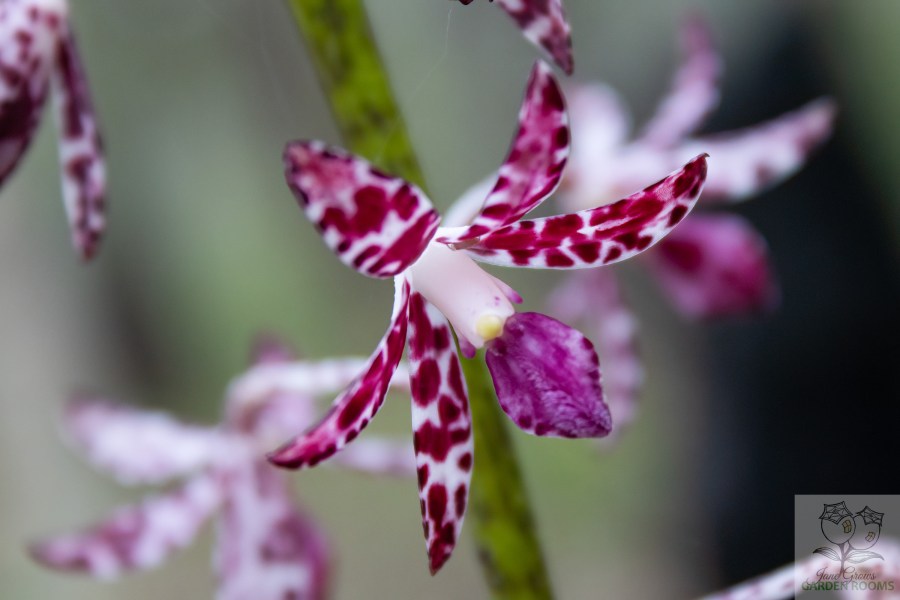
A True Wildflower of the Tamborine Bush – Slender Hyacinth Orchid
Dipodium variegatum The Slender Hyacinth Orchid is truly a wildflower. Orchid enthusiasts have tried to cultivate it, but have been unsuccessful due to its unique growing conditions. Dipodium variegatum is leafless and the only part of it that appears above ground is the stalk and flower. It is a saprophyte meaning that it is not… Continue reading A True Wildflower of the Tamborine Bush – Slender Hyacinth Orchid

A Garlic for Subtropical and Tropical Climates
Society Garlic (Tulbaghia violacea) is the perfect way to grow garlic flavours in warm climates. I love garlic flavours, but try as I might, I just can’t get garlic to grow in my subtropical climate zone. The solution? Society Garlic or Tulbaghia violacea! This strappy leaved plant with lovely purple flowers will grow as an… Continue reading A Garlic for Subtropical and Tropical Climates

Hardenbergia violocea or Happy Wanderer
Plant Profile Did you know that Indigenous Australians have used this plant as a tea and medicine for thousands of years? It is known by many names: Hardenbergia violacea, False Sarsparilla, Purple Coral Pea, Wild Sarsparilla, Waraburra, Vine Lilac. This lovely vine clambers and wanders over anything in its path. It makes a great groundcover… Continue reading Hardenbergia violocea or Happy Wanderer
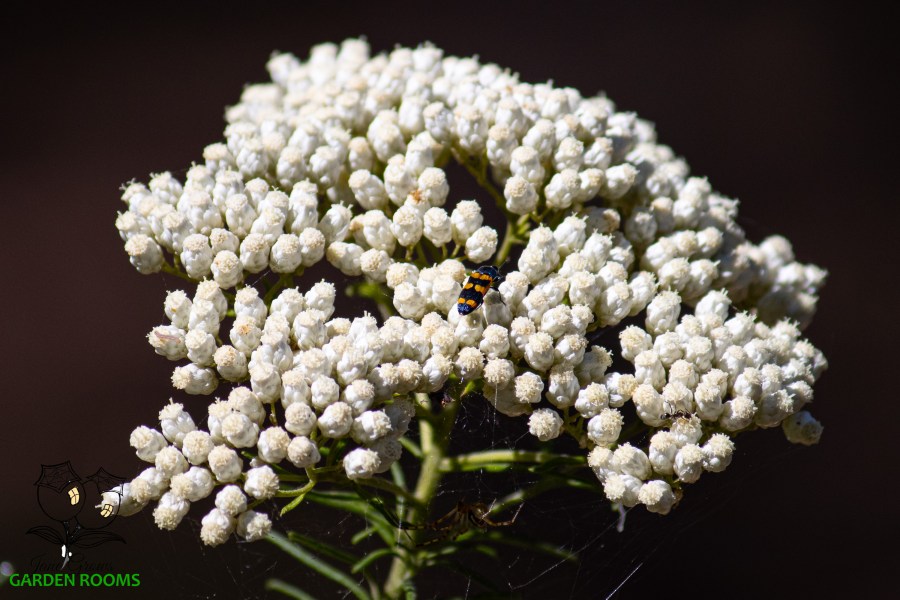
Sago Bush or Ozothamnus Diosmifolius
Plant Profile This plant is not hard to find in Tamborine Village. Ozothamnus diosmifolius is flowering beautifully this year. From my back patio It looks like the bushes are snow-topped as they cluster around our dam. The name comes from the Greek Ozo “to smell” and Thamnus “shrub” referring to the pungent smell of crushed… Continue reading Sago Bush or Ozothamnus Diosmifolius
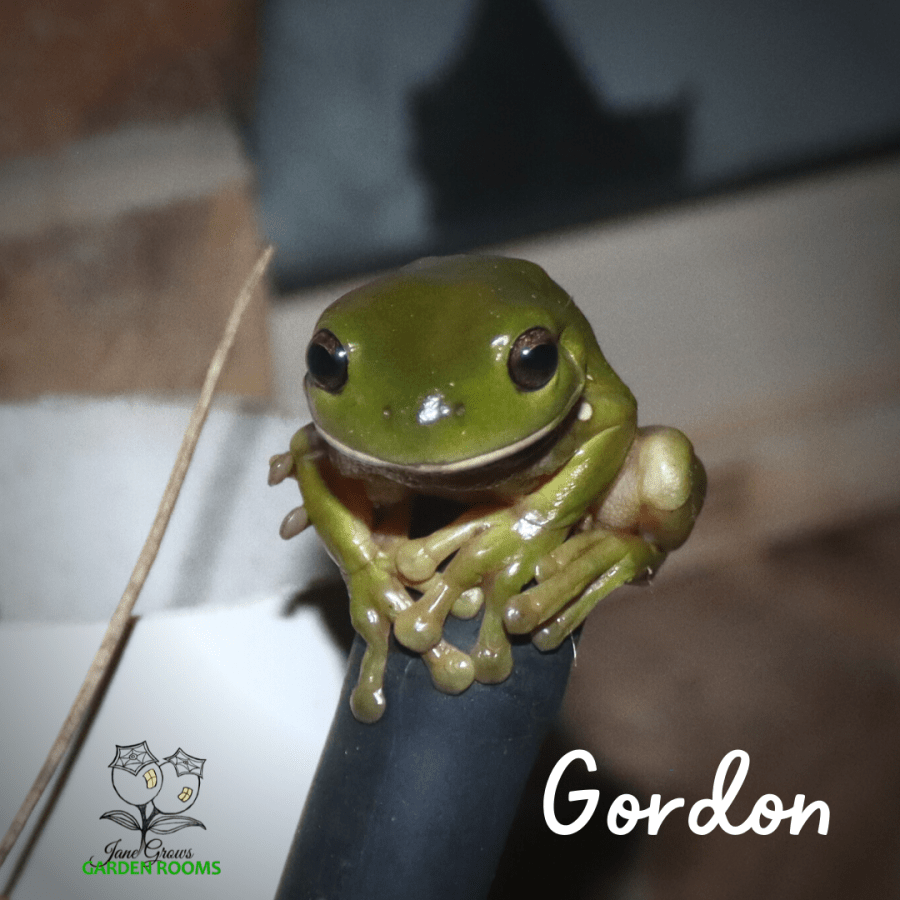
Invite Some Garden Friends: Backyard Biodiversity Tip Four
Using nature to control weeds and pests is a great way to garden organically and improve the biodiversity in your garden. It’s been a long time coming, but here it is and it’s all about using nature to control weeds and pests. This is the fourth in a series. You can find the first three by… Continue reading Invite Some Garden Friends: Backyard Biodiversity Tip Four
 Jane Grows Garden Rooms