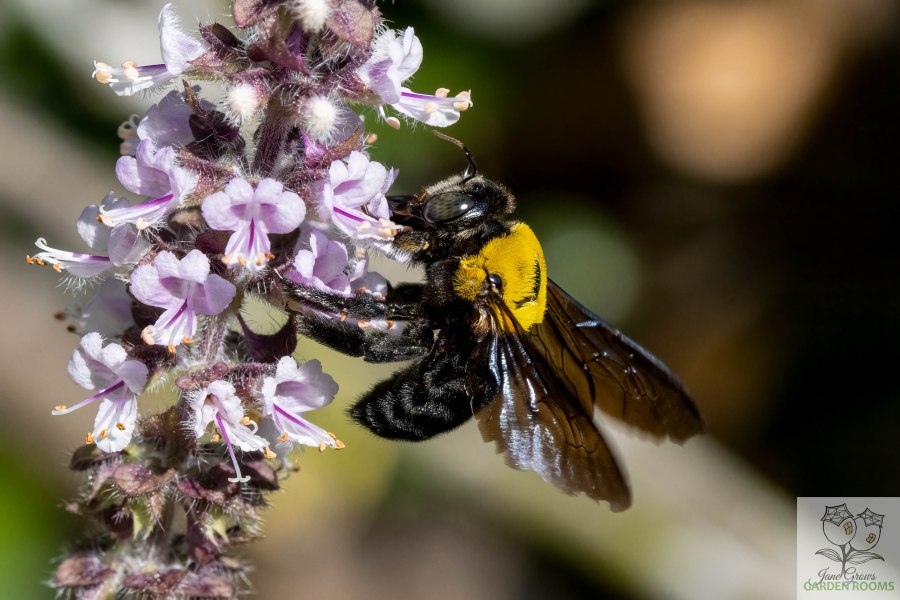
Scientific Name: Xylocopa (genus) She sounds like a jet engine in comparison to other buzz pollinators. He probably does too, but I’m yet to find a male! At around one inch or two and a half centimetres long, the Great Carpenter Bee is Australia’s largest bee and yes, they are capable of stinging. They don’t… Continue reading Australia’s Largest Bee – The Great Carpenter
Category: Garden

Masked Bees – Hylaeus Bees
Hylaeine Bees are found on EVERY continent except Antarctica. They have facial markings that resemble the emarginate eyes of wasps. More than 200 species are distributed throughout Australia. The facial markers that earn them the “masked” label are usually more elaborate in males. They usually nest in holes in wood, made and abandoned by borers.… Continue reading Masked Bees – Hylaeus Bees
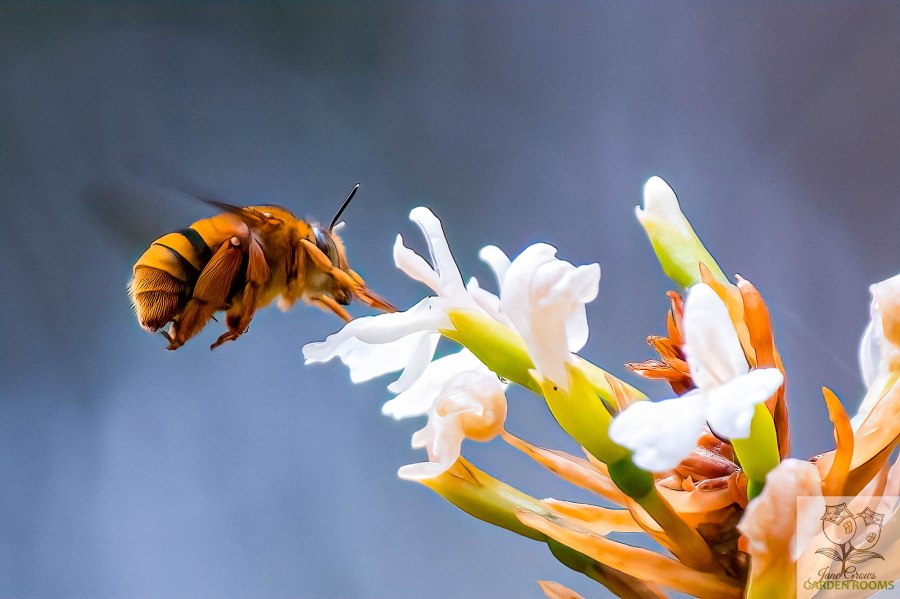
Teddy Bear Bees
This shy species is very difficult to find in the garden. Like most Amegilla species, Teddy Bear Bees are quick and fly in erratic patterns, probably to elude predators. With their audible buzz and golden colouring they are sometimes mistaken for Bumblebees. While each bee provisions a nest by herself, Teddy Bear Bees have been… Continue reading Teddy Bear Bees
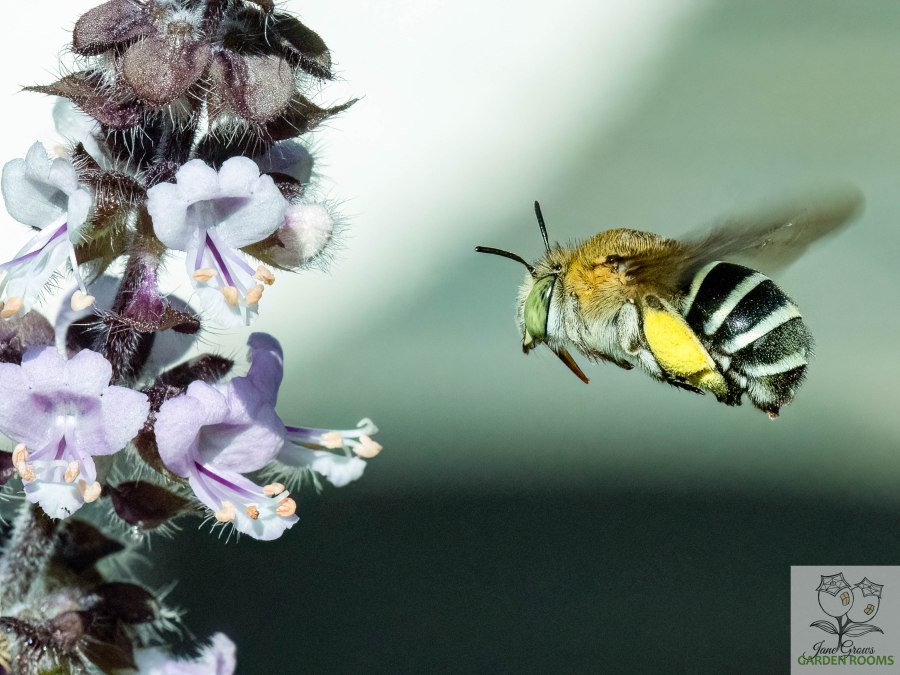
Blue-banded Bees
Despite being called “Blue-banded Bees”, many banded Amegilla species are not blue at all but range from blue to white and possibly green! I have heard it said that they are Australia’s most photographed bee and it’s no surprise! With their amazing eyes, iridescent bands and alluring buzz they make great subjects. The iridescent bands… Continue reading Blue-banded Bees

Native Ginger or Alpinia caerulea
Plant Profile Also known as: Red Back Ginger (subspecies from the Atherton Tablelands) Growing Conditions: Shade, will tolerate part shade Moist, well-draining soil (tolerates sandy soil) Protect from frost Pots, garden beds, rockeries, gaps, narrow gardens, hedges, as a screening plant Flowers late Spring/Summer Fruits follow flowers in Summer/early Autumn Propagation root division – click… Continue reading Native Ginger or Alpinia caerulea

Hardenbergia violocea or Happy Wanderer
Plant Profile Did you know that Indigenous Australians have used this plant as a tea and medicine for thousands of years? It is known by many names: Hardenbergia violacea, False Sarsparilla, Purple Coral Pea, Wild Sarsparilla, Waraburra, Vine Lilac. This lovely vine clambers and wanders over anything in its path. It makes a great groundcover… Continue reading Hardenbergia violocea or Happy Wanderer
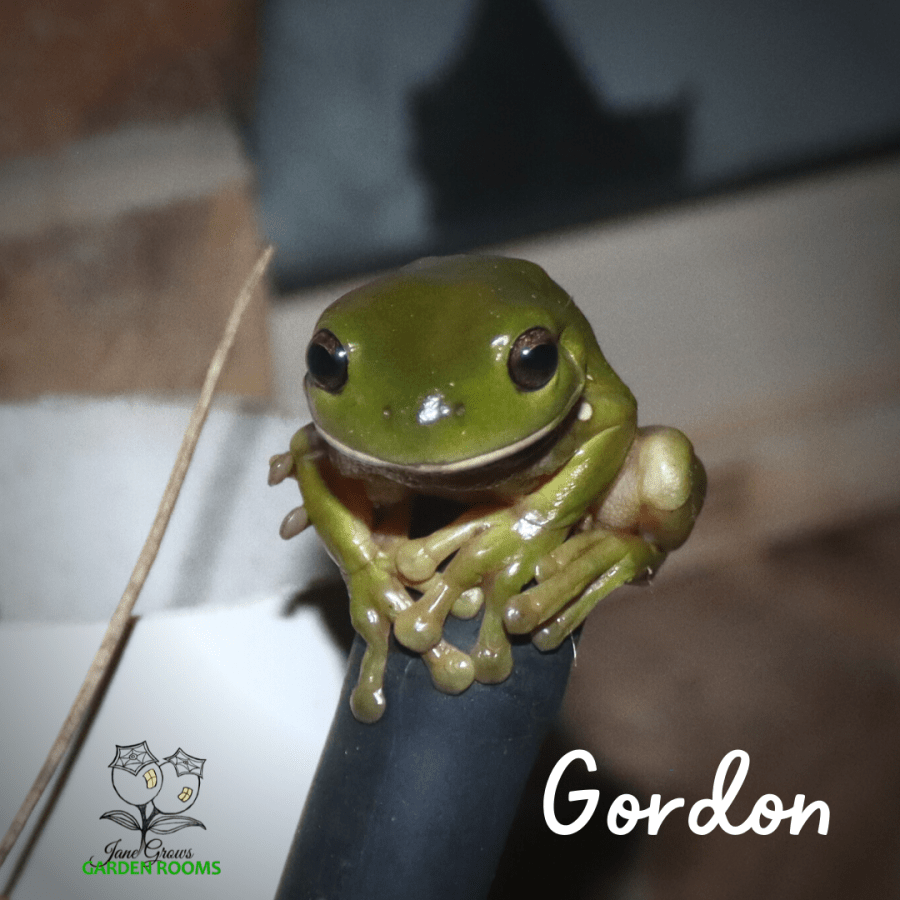
Invite Some Garden Friends: Backyard Biodiversity Tip Four
Using nature to control weeds and pests is a great way to garden organically and improve the biodiversity in your garden. It’s been a long time coming, but here it is and it’s all about using nature to control weeds and pests. This is the fourth in a series. You can find the first three by… Continue reading Invite Some Garden Friends: Backyard Biodiversity Tip Four
The Newsletter from the Garden Rooms
Would you like a FREE weekly newsletter delivered to your email inbox? Each week includes 5 regular feature topics. Over the month 4 other feature topics will be included at least once. Feedback and requests are welcome! You can find the newsletter by clicking here or using the QR code below. Or keep scrolling for… Continue reading The Newsletter from the Garden Rooms

Plant Profile – Spotted Gum – Corymbia citriodora subsp. variegata
Also known as: Eucalyptus maculata (historical, no longer used by herbariums for this species) Corymbia maculata (historical, no longer used by herbariums for this species) Eucalyptus citriodora (historical, no longer used by herbariums for this species) Growing conditions: Prefers well-draining soils Like growing on slopes Prefers full sun Drought tolerant Propagation: Seeds in shallow trays… Continue reading Plant Profile – Spotted Gum – Corymbia citriodora subsp. variegata

