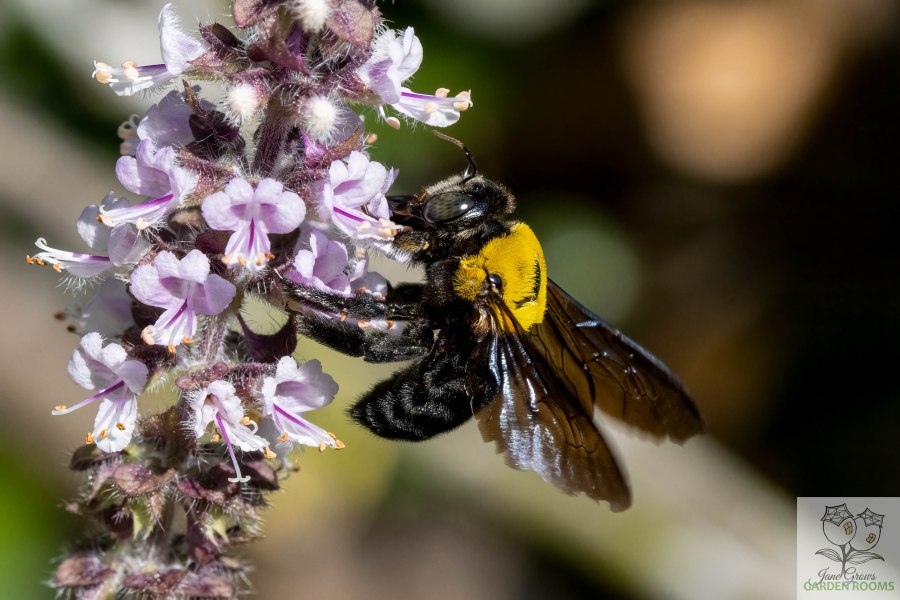
Scientific Name: Xylocopa (genus) She sounds like a jet engine in comparison to other buzz pollinators. He probably does too, but I’m yet to find a male! At around one inch or two and a half centimetres long, the Great Carpenter Bee is Australia’s largest bee and yes, they are capable of stinging. They don’t… Continue reading Australia’s Largest Bee – The Great Carpenter

Masked Bees – Hylaeus Bees
Hylaeine Bees are found on EVERY continent except Antarctica. They have facial markings that resemble the emarginate eyes of wasps. More than 200 species are distributed throughout Australia. The facial markers that earn them the “masked” label are usually more elaborate in males. They usually nest in holes in wood, made and abandoned by borers.… Continue reading Masked Bees – Hylaeus Bees
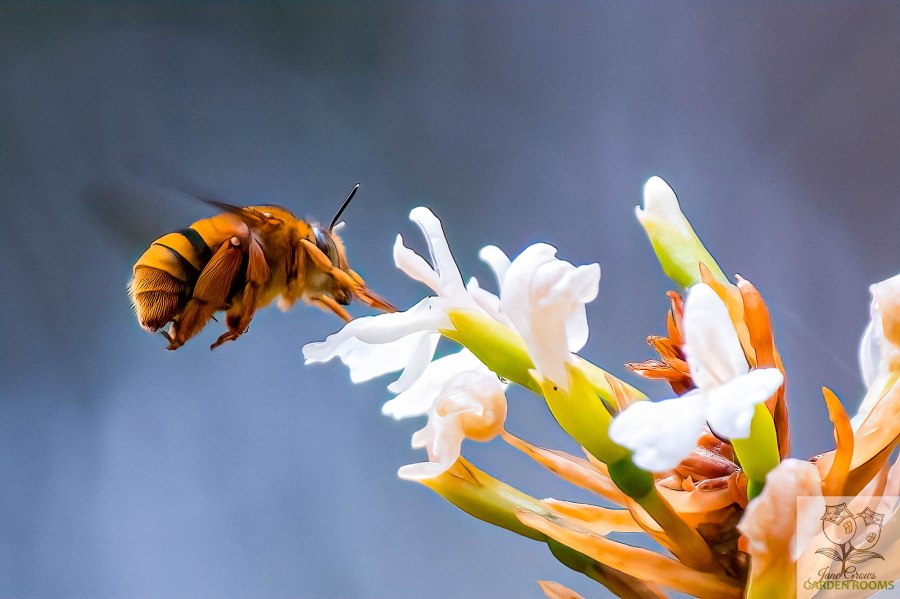
Teddy Bear Bees
This shy species is very difficult to find in the garden. Like most Amegilla species, Teddy Bear Bees are quick and fly in erratic patterns, probably to elude predators. With their audible buzz and golden colouring they are sometimes mistaken for Bumblebees. While each bee provisions a nest by herself, Teddy Bear Bees have been… Continue reading Teddy Bear Bees
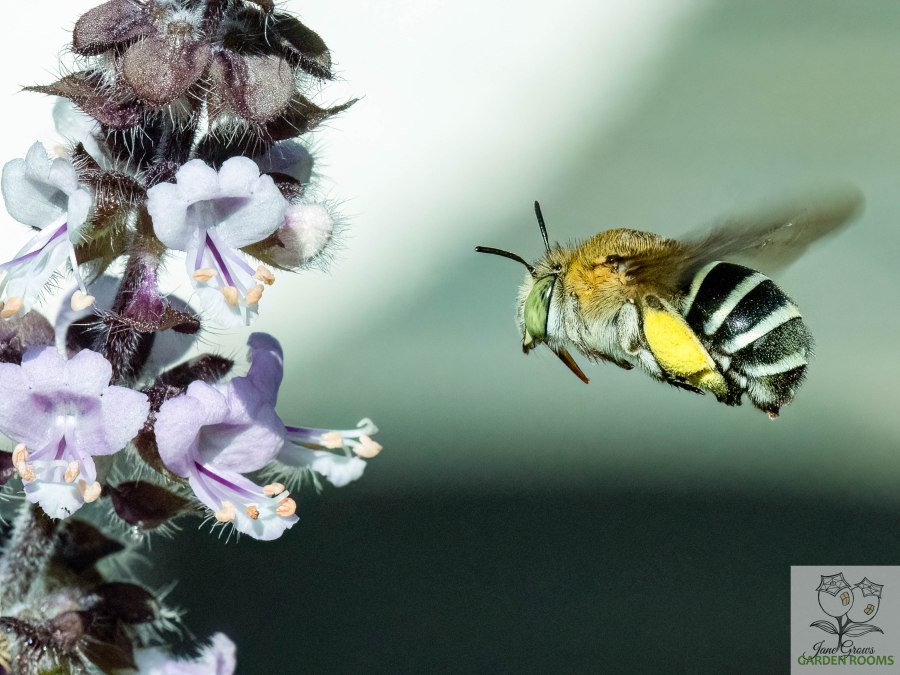
Blue-banded Bees
Despite being called “Blue-banded Bees”, many banded Amegilla species are not blue at all but range from blue to white and possibly green! I have heard it said that they are Australia’s most photographed bee and it’s no surprise! With their amazing eyes, iridescent bands and alluring buzz they make great subjects. The iridescent bands… Continue reading Blue-banded Bees
An Introduction to Australian Bush Tucker
NEW eBook with 52 easy to read bush food profiles I’ve just published my first eBook! It’s a collection of profiles with information like alternative names, growing conditions, history, cultural uses and edible uses. You can find it on Etsy or by clicking here you will receive a 10% discount until January 22, 2023! Here’s… Continue reading An Introduction to Australian Bush Tucker

Native Ginger or Alpinia caerulea
Plant Profile Also known as: Growing Conditions: Propagation Uses This plant is a wonderful way to find buzz-pollinating bees in your garden. It delivered my first Teddy Bear Bee sighting and numerous Blue-banded Bee sightings. It is a classic understorey plant from subtropical and tropical rainforests and can therefore be used in shady places in… Continue reading Native Ginger or Alpinia caerulea
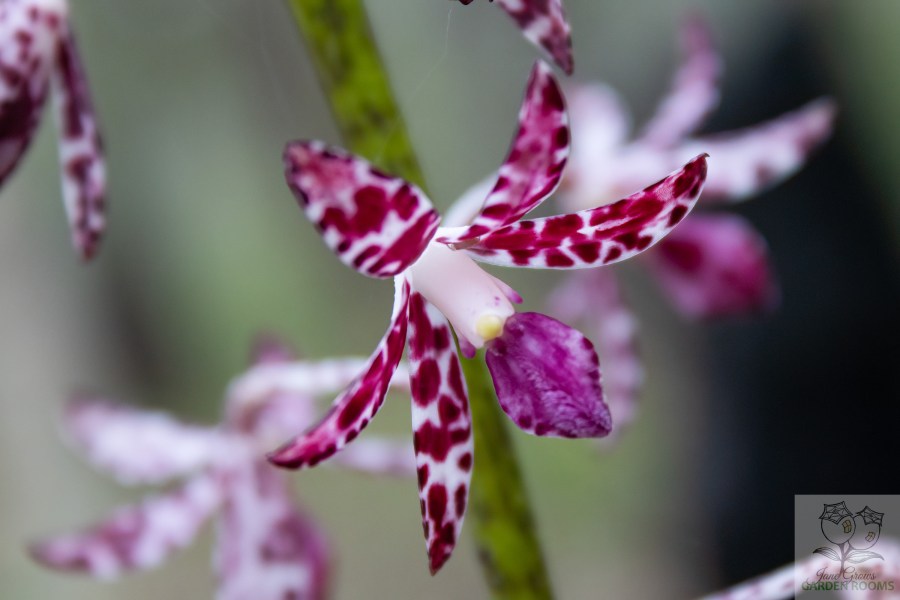
A True Wildflower of the Tamborine Bush – Slender Hyacinth Orchid
Dipodium variegatum The Slender Hyacinth Orchid is truly a wildflower. Orchid enthusiasts have tried to cultivate it, but have been unsuccessful due to its unique growing conditions. Dipodium variegatum is leafless and the only part of it that appears above ground is the stalk and flower. It is a saprophyte meaning that it is not… Continue reading A True Wildflower of the Tamborine Bush – Slender Hyacinth Orchid

A Garlic for Subtropical and Tropical Climates
Society Garlic (Tulbaghia violacea) is the perfect way to grow garlic flavours in warm climates. I love garlic flavours, but try as I might, I just can’t get garlic to grow in my subtropical climate zone. The solution? Society Garlic or Tulbaghia violacea! This strappy leaved plant with lovely purple flowers will grow as an… Continue reading A Garlic for Subtropical and Tropical Climates

Hardenbergia violocea or Happy Wanderer
Plant Profile Did you know that Indigenous Australians have used this plant as a tea and medicine for thousands of years? It is known by many names: Hardenbergia violacea, False Sarsparilla, Purple Coral Pea, Wild Sarsparilla, Waraburra, Vine Lilac. This lovely vine clambers and wanders over anything in its path. It makes a great groundcover… Continue reading Hardenbergia violocea or Happy Wanderer
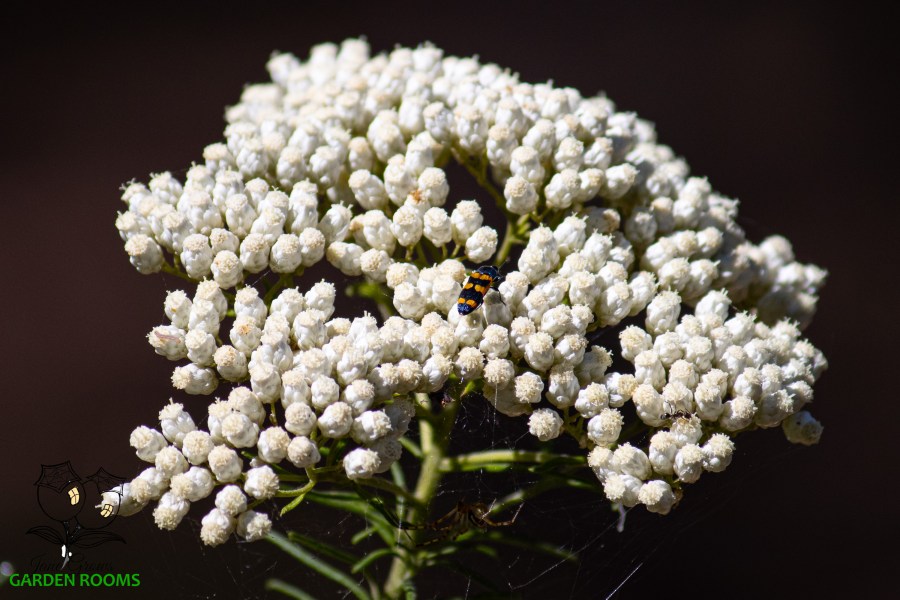
Sago Bush or Ozothamnus Diosmifolius
Plant Profile This plant is not hard to find in Tamborine Village. Ozothamnus diosmifolius is flowering beautifully this year. From my back patio It looks like the bushes are snow-topped as they cluster around our dam. The name comes from the Greek Ozo “to smell” and Thamnus “shrub” referring to the pungent smell of crushed… Continue reading Sago Bush or Ozothamnus Diosmifolius
 Jane Grows Garden Rooms